
Growing guide · Herb
How to Grow Marjoram
Days to maturity70 days
Spacing8 in
SeasonWarm-season
Start indoors6 wk pre-frost
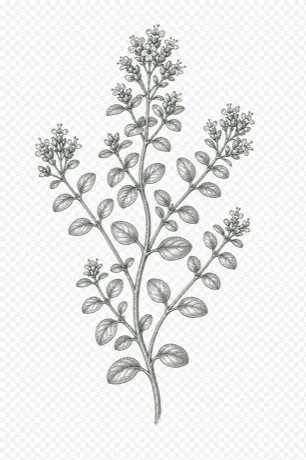
Sweet marjoram is a tender Mediterranean perennial that most US gardeners grow as a warm-season annual, prized for a softer, sweeter, more floral flavor than its cousin oregano. The small gray-green oval leaves grow on wiry stems, and the flower clusters form tight little knots before opening, which is why it is sometimes called knotted marjoram. A single tidy plant in a pot on a sunny patio can flavor soups, roasts, and egg dishes all summer long.
When and how to plant
Marjoram loves heat and is killed by frost, so wait until the soil has warmed and all danger of frost has passed before setting plants out, usually about one week after your last spring frost date. Because the seed is tiny and slow, most gardeners start it indoors about six weeks early or buy transplants rather than direct sowing. Give it full sun, at least six hours a day, and light, well-drained soil of average fertility with a near-neutral pH; it dislikes heavy, soggy ground.
Care
Water to keep young plants evenly moist, then water only when the top inch of soil dries, since marjoram tolerates some drought and resents wet feet. Skip heavy feeding, as rich soil and too much nitrogen produce lush growth with weaker flavor; a single light feeding early in the season is plenty. Space plants about eight inches apart for good air movement, and pinch the growing tips often to keep them bushy and compact. In USDA zones 9 and warmer it may overwinter, but in most of the country it is treated as an annual or potted up and brought indoors.
Common problems
Marjoram is generally trouble-free, but aphids and spider mites can gather on tender new growth, especially on stressed or indoor plants; a strong spray of water or insecticidal soap usually handles them. The most common problem is root rot and damping-off from overwatering or poor drainage, so plant in well-drained soil or raised beds and avoid crowding. Good air circulation and morning watering help prevent the leaf spots and mildews that occasionally appear in humid regions.
Harvest
You can begin snipping sprigs once plants are several inches tall and well established, usually within a couple of months of transplanting. For the best flavor, harvest just as the flower knots begin to form but before they open, cutting stems back by no more than a third. Pick in the morning after the dew dries, and cut whole sprigs with scissors rather than stripping individual leaves, which also encourages fresh bushy regrowth.
Growing Marjoram in containers
Marjoram grows very well in containers and prefers the warm, dry conditions pots can provide. Use a container at least 8 inches deep with drainage holes and a light, fast-draining potting mix. Let the upper inch or two of mix dry between waterings, and feed only lightly once or twice during the season. Sweet marjoram is a dependable choice for pots and can be overwintered indoors in bright light in cold climates.
Watering & feeding Marjoram
Aim for about 0.5 to 1 inch of water per week, adjusted for rainfall, heat, and soil type. Marjoram is drought tolerant after establishment and is more vulnerable to wet roots than to short dry periods. Water deeply but infrequently at the base, allowing the upper soil to dry between irrigations. Morning watering and excellent drainage are important, especially in containers that can alternate between drying quickly and staying too wet; drooping in dry soil signals thirst, while yellow leaves and a declining crown often point to excess moisture.
Marjoram is a light feeder that generally performs well in average soil amended with a small amount of compost. Avoid strong nitrogen applications, which can create excessive leafy growth at the expense of aromatic quality. Work compost into the planting area before planting and avoid routine fertilizer in fertile garden beds. Container plants may receive one very light feeding in midseason if growth is clearly weak. Use a fast-draining potting mix and a container with drainage holes. Harvest regularly, but do not shear a drought-stressed plant until it has been watered.
Saving Marjoram seeds
Save seed from open-pollinated sweet marjoram, not F1 hybrids, which do not come true from seed. Allow flowers to fade and the small seed-bearing clusters to become dry and brown, then cut the stems, dry them under cover, and gently thresh the fine seed. Store fully dry seed in a cool, dark, dry container, where it is generally useful for about 2 to 3 years.
Marjoram companion plants
Plant marjoram near peppers, tomatoes, eggplants, and other warm-season vegetables where its small flowers can attract pollinators and beneficial insects. It makes a useful low border plant in a sunny bed and has similar water and drainage needs to Mediterranean herbs such as thyme and oregano. Companion effects beyond insect habitat are not strongly established, so use it chiefly for compatible culture and flowers rather than as a pest-control treatment. Avoid crowding marjoram with large, thirsty plants or invasive herbs such as mint, because competition and excess moisture can weaken it.
When to plant Marjoram near you
Get the exact start-indoors, transplant, and fall planting dates for Marjoram at your location.
Frequently asked questions about Marjoram
When should I plant Marjoram?
Marjoram is frost-sensitive, so plant it outdoors after your last spring frost once the soil has warmed. In most US regions you can start seeds indoors 6 to 8 weeks earlier and transplant seedlings once nighttime temperatures stay reliably above the mid-40s Fahrenheit.
How much sun does Marjoram need?
Marjoram grows best in full sun, meaning about 6 to 8 hours of direct light per day. In hot southern climates it appreciates a little afternoon shade, but too much shade makes the plants leggy and weakens the flavor.
How long does Marjoram take to grow before I can harvest?
From seed, Marjoram usually takes around 2 to 3 months to reach a harvestable size, and transplants are ready sooner. You can begin snipping leaves once plants are 4 to 6 inches tall and bushy.
How far apart should I space Marjoram plants?
Space Marjoram plants roughly 8 to 12 inches apart so air can circulate and each plant can bush out. Good spacing helps prevent the fungal problems that crop up when foliage stays damp and crowded.
Can I grow Marjoram in a container?
Yes, Marjoram does very well in pots and window boxes, which also makes it easy to bring indoors before frost since it is not winter hardy in most of the US. Use a container at least 6 to 8 inches deep with drainage holes and a well-draining potting mix, since it dislikes soggy soil.
How do I know when to harvest Marjoram?
Harvest Marjoram just as the flower buds form but before they open, when the leaves hold the most flavor. Cut stems in the morning after the dew dries, and regular trimming encourages fuller, bushier growth.
General guidance for US home gardens. Reference figures are typical values; your exact timing depends on your local frost dates and variety. Page updated Sep 18, 2026.