
Chervil Nutrition & Uses
Chervil is a leafy culinary herb used in small amounts as a garnish or seasoning, so it contributes flavor and color more than significant nutrition in a typical serving. The general composition below is described from data reported by USDA FoodData Central.
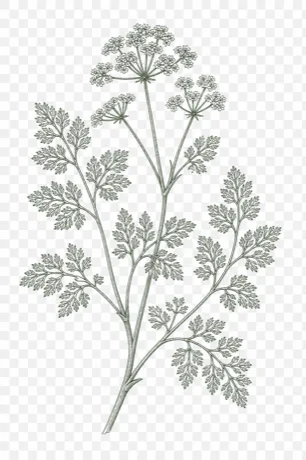
Nutritional profile
According to USDA FoodData Central, fresh culinary herbs like chervil are low in calories and consist mostly of water, with small amounts of dietary fiber and carbohydrate and very little fat. Chervil is described as containing vitamin C and vitamin A in the form of carotenoids, along with minerals such as potassium, calcium, iron, and magnesium. Because it is eaten in small quantities as a seasoning, the amounts contributed to a meal are modest. These figures are descriptive of the herb's composition only.
In the kitchen
Chervil has a soft, mild flavor with a light anise note, and its aroma is delicate, so it is almost always added raw or at the very end of cooking to keep from losing its taste. It is a cornerstone of the French fines herbes blend and is classic stirred into omelets and scrambled eggs, whisked into a light vinaigrette, or folded into a cream sauce for fish and chicken. Sprinkle the fresh leaves over spring vegetables like peas, carrots, and new potatoes, stir them into soft cheeses and compound butter, or scatter them on a green salad. Use it generously, since its flavor is far gentler than parsley or tarragon.
Choosing & preparing
If buying rather than growing it, look for bright green, crisp, feathery leaves with no yellowing, wilting, or slimy spots. The fresher and more upright the sprigs, the better the flavor, since chervil declines quickly after cutting.
Flavor pairings
Chervil pairs naturally with eggs, mild fish, chicken, and spring vegetables, and it blends well with the other fines herbes: parsley, chives, and tarragon. It also complements butter, cream, soft cheeses, lemon, and delicate salad greens.
Tips
Add chervil at the end of cooking or as a finishing garnish, because prolonged heat drives off its subtle aroma. Chop it just before serving and use plenty, as it takes a larger amount than most herbs to make its flavor noticed.
General food-composition information based on USDA FoodData Central. This is not medical or dietary advice; for personal guidance, consult a registered dietitian or your doctor. Page updated Sep 18, 2026.