
Growing guide · Herb
How to Grow Chervil
Days to maturity55 days
Spacing6 in
SeasonCool-season
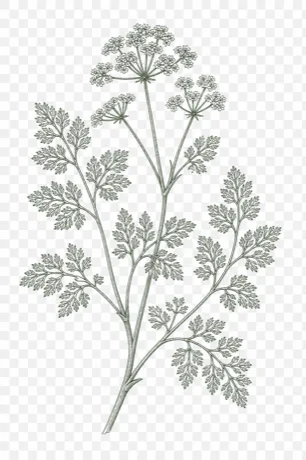
Chervil is a delicate cool-season annual that US cooks prize as one of the classic French fines herbes, alongside parsley, chives, and tarragon. Its lacy, fern-like leaves look like a finer version of flat-leaf parsley and carry a soft flavor that tastes like parsley crossed with a faint whisper of anise. Gardeners grow it because it thrives in the same chilly shoulder seasons when heat-loving herbs like basil refuse to grow, filling the early-spring and fall garden with tender greens. Because the flavor fades quickly with cooking and drying, the only reliable way to enjoy true chervil is to grow your own and pick it fresh.
When and how to plant
Chervil is a cool-weather crop that bolts and turns bitter in summer heat, so plant it in early spring about 3 to 4 weeks before your last expected frost, and again in late summer for a fall harvest. It resents transplanting because of its slender taproot, so direct sow the seeds where they will grow rather than starting them indoors. Choose a spot with rich, evenly moist, well-drained soil and give it partial shade in most US regions, since afternoon shade helps delay bolting; full sun is fine only in the cool early season or the far North. Sow seeds shallowly, about one-eighth inch deep, and keep the surface damp, as light aids germination and seedlings appear in one to two weeks.
Care
Keep the soil consistently moist, because dry spells and heat push chervil to flower and go bitter. Thin seedlings so plants stand about 6 inches apart, which gives the foliage room and airflow while keeping a productive patch. Chervil needs little feeding in decent garden soil, though a light dose of balanced fertilizer or a side-dressing of compost keeps the leaves lush. No staking is needed; instead, focus on succession sowing every few weeks so you always have young, tender plants coming along.
Common problems
Chervil is largely trouble-free, but aphids can cluster on tender new growth and are easily knocked back with a strong spray of water or insecticidal soap. Slugs and snails may chew the low leaves in damp shade, so hand-pick them and avoid overwatering. Because the plant loves cool, moist conditions, crowded plantings can develop damping-off in seedlings or leaf mildew, both prevented by thinning for airflow and watering at the base rather than overhead. The most common failure is simply summer heat, which causes rapid bolting, so time plantings for the cool seasons.
Harvest
Begin snipping outer leaves once plants are 4 to 6 inches tall and have several sets of foliage, usually about 6 to 8 weeks after sowing. Cut the outer stems near the base with scissors and leave the center growing point intact so the plant keeps producing. Harvest often to encourage tender new leaves and to delay flowering, and pick in the cool of the morning when the foliage is crisp. Once the plant sends up flower stalks the leaves lose flavor, so harvest heavily as bolting begins.
Growing Chervil in containers
Chervil is a good container herb for cool weather and partial shade, especially in spring and fall. Use a pot at least 8 inches deep with drainage holes and a moisture-retentive potting mix. Keep the soil consistently moist, feed very lightly, and protect plants from hot afternoon sun to delay bolting. Sow seeds directly and make successive sowings because chervil is short-lived.
Watering & feeding Chervil
Provide about 1 inch of water per week, increasing as needed in dry, windy conditions. Chervil has average water needs but is not drought tolerant, especially in warm weather. Keep soil evenly moist with gentle watering at the base, avoiding both drought and waterlogged conditions. Water in the morning, use a light mulch where appropriate, and give plants partial shade in warm regions to slow drying and bolting. Wilting, rapid flowering, and coarse leaves can follow dry stress, while yellowing and decay at the base can signal excess moisture.
Chervil is a light to moderate feeder that grows well in loose soil improved with compost before sowing. Modest, balanced fertility supports leafy growth, while too much nitrogen can cause soft, overly lush foliage. Well-drained soil is essential because chervil does poorly in standing water. Prepare the bed with compost before planting and rely on that for most of its short cool-season crop cycle. If plants are pale or slow in poor soil, use one light feeding of a balanced fertilizer. Do not feed heavily late in the season or during heat stress. Sow successively in cool weather so you have young plants as older ones begin to bolt. In containers, check moisture often because chervil's shallow roots dry out quickly.
Saving Chervil seeds
Open-pollinated chervil comes true from seed, while F1 hybrids do not. Let plants flower and allow the seed heads to turn brown and dry, then cut them into a paper bag before seed shatters. Finish drying for about a week, thresh gently, and store the clean seed in a cool, dry place. Chervil seed is short-lived and is best used fresh, with about 1 to 2 years of storage life.
Chervil companion plants
Grow chervil with cool-season lettuce, radishes, or carrots, which share its preference for a relatively cool, evenly moist bed. Letting a few chervil plants flower can provide nectar and pollen for small beneficial insects. Its companion effects are less established than its value as a compact, cool-season herb, so good spacing and succession planting are the main advantages. Avoid planting it beside tall, heat-loving summer crops or vigorous spreading herbs, because shade, root competition, and summer heat cause chervil to bolt quickly.
When to plant Chervil near you
Get the exact start-indoors, transplant, and fall planting dates for Chervil at your location.
Frequently asked questions about Chervil
When should I plant Chervil in my garden?
Chervil is a cool-season herb, so plant it in early spring as soon as the soil can be worked, or again in late summer for a fall harvest. It bolts quickly in summer heat, so most US gardeners avoid sowing it in the warm months and instead succession sow every few weeks in spring and fall.
How long does Chervil take to grow before I can harvest it?
Chervil is fast growing and is usually ready to harvest in roughly 6 to 8 weeks from seed. You can begin snipping outer leaves once the plant has several sets of true leaves and is a few inches tall.
How much sun does Chervil need?
Chervil prefers partial shade and actually does better with some afternoon protection, especially in warmer US regions. Full shade slows it down, but too much hot direct sun causes it to bolt and turn bitter, so dappled light or morning sun is ideal.
How far apart should I space Chervil plants?
Thin seedlings to roughly 6 to 9 inches apart to give each plant room to leaf out. You can sow seeds more thickly and harvest the extras young as you thin, which also helps you get a continuous supply.
Can I grow Chervil in containers?
Yes, Chervil grows well in containers and window boxes, which makes it easy to keep in partial shade and move out of intense summer sun. Use a pot at least 6 to 8 inches deep with drainage holes and keep the potting mix consistently moist since Chervil dislikes drying out.
How do I know when Chervil is ready to harvest, and what problems should I watch for?
Harvest Chervil when leaves are young, tender, and bright green, snipping outer stems first and picking before the plant sends up a flower stalk, since bolting makes the flavor decline. The most common issues are bolting in heat and dry soil, so provide shade, water regularly, and harvest often to keep new growth coming.
General guidance for US home gardens. Reference figures are typical values; your exact timing depends on your local frost dates and variety. Page updated Sep 18, 2026.