
Anise Hyssop Nutrition & Uses
Anise hyssop is a culinary herb used in small amounts, so it contributes flavor and aroma more than measurable nutrition in a typical serving. The notes below describe general composition only.
Nutritional profile
According to USDA FoodData Central, fresh culinary herbs like this are generally very low in calories, made up mostly of water, and provide small amounts of dietary fiber along with trace amounts of vitamins and minerals such as vitamin A, vitamin C, and vitamin K. Because anise hyssop is typically used by the leaf or sprig, the amounts in a finished dish are small.
In the kitchen
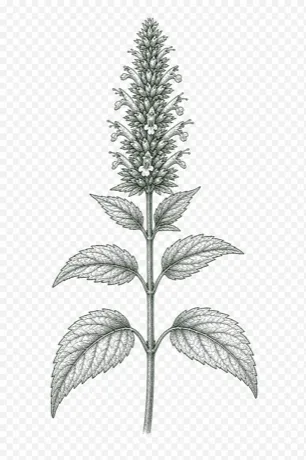
The leaves and flowers taste of sweet anise with a hint of mint. Steep fresh or dried leaves for a caramel-colored herbal tea, chop them into fruit salads with berries or peaches, or infuse them into a simple syrup for lemonade, iced tea, and sorbet. The leaves also bake beautifully into shortbread, scones, and custards, and the individual purple florets make a pretty, edible garnish on cakes and salads.
Choosing & preparing
Choose sprigs with perky, unwilted leaves and a clear licorice fragrance when brushed. If you grow your own, pick young upper leaves and freshly opened flowers, which have the sweetest flavor.
Flavor pairings
It pairs naturally with fruit such as berries, peaches, and melon, and with honey, lemon, and mint. It also complements summer vegetables like corn, along with other soft herbs in teas and cold drinks.
Tips
Add fresh leaves near the end of cooking so the delicate anise aroma does not cook off. Start with a small amount and taste, since the flavor is more assertive than it first seems.
General food-composition information based on USDA FoodData Central. This is not medical or dietary advice; for personal guidance, consult a registered dietitian or your doctor. Page updated Sep 18, 2026.