
Growing guide · Herb
How to Grow Anise Hyssop
Days to maturity90 days
Spacing18 in
SeasonCool-season
Start indoors8 wk pre-frost
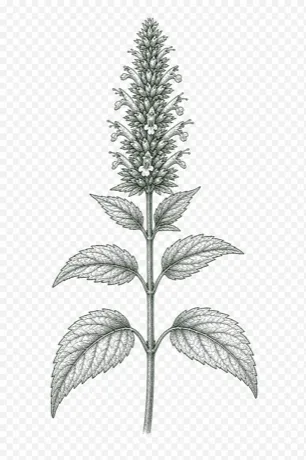
Anise hyssop (Agastache foeniculum) is a hardy North American perennial that US gardeners grow for its tall spikes of soft purple flowers, which buzz with honeybees and native bees from midsummer well into fall. Crush a single leaf and it releases a sweet licorice-and-mint scent that makes it a favorite for tea and dessert gardens. Native to the upper Midwest and Great Plains, it settles in easily across much of the country and returns on its own each spring in roughly USDA zones 4 through 8.
When and how to plant
Grow anise hyssop as a warm-season perennial started in spring. Because the seed is slow and often germinates better after a chill, most gardeners start it indoors about 8 weeks before the last frost and set hardened-off transplants out around the last spring frost date; you can also direct sow after frost or plant nursery divisions. Give it full sun (at least 6 hours) and average, well-drained soil, since it dislikes soggy ground more than it dislikes lean soil.
Care
Water new plantings regularly to establish them, then cut back once the roots are settled, as established plants tolerate short dry spells and prefer soil that drains freely. Feed lightly, if at all, because rich soil and heavy fertilizer produce floppy stems and fewer flowers. Space plants about 18 inches apart for good airflow; tall stands in windy or shady spots may lean, so a light support or a spring pinch to encourage bushiness helps keep them upright.
Common problems
Anise hyssop is generally trouble-free, but powdery mildew can dust the leaves in humid, crowded conditions, and roots may rot in wet, poorly drained soil. Occasional aphids or leafhoppers show up but rarely cause serious damage. Prevent problems by spacing plants for airflow, watering at the base rather than overhead, and planting in a well-drained spot; a strong spray of water usually knocks back light insect pressure.
Harvest
Begin picking leaves once plants are well established and about a foot tall, snipping sprigs from the upper stems as needed through the season. For the fullest flavor and to keep pollinators fed, cut flower spikes when they are roughly half open. Harvest in the morning after the dew dries, and cut stems back through summer to encourage tender new growth.
Growing Anise Hyssop in containers
Anise hyssop is well suited to containers and makes a sturdy, long-blooming patio herb. Use a 3 to 5-gallon pot at least 10 to 12 inches deep with drainage holes and well-drained potting mix. Water when the top inch dries, and apply a light balanced fertilizer once in spring or monthly at half strength. Choose a compact cultivar if space is limited, and remove spent flower spikes to maintain a tidy plant.
Watering & feeding Anise Hyssop
Give about 0.5 to 1 inch of water per week during establishment, then water only during extended dry weather. It is drought tolerant after rooting in, though flowering is best with occasional deep watering in drought. Water deeply at the base and allow the soil surface to dry between irrigations. Morning watering and good air circulation help keep foliage dry; wilting with dry soil suggests a need for water, while yellowing, weak growth, or crown decline in wet soil suggests overwatering.
Anise hyssop is a light feeder that needs only average, well-drained soil improved with a modest amount of compost. Too much nitrogen can cause floppy, leafy growth and fewer flowers. Work compost into poor soil before planting, then top-dress lightly in spring if needed. Routine seasonal fertilizer is usually unnecessary unless soil is notably infertile or container growth is weak. Avoid thick, moisture-holding mulch directly over the crown. In clay soil, improve drainage before planting rather than trying to compensate with more fertilizer.
Saving Anise Hyssop seeds
Save seed from open-pollinated or heirloom anise hyssop, as F1 hybrids do not come true from seed. When spent flower spikes are brown and dry, cut them into a bag, dry them a little longer if needed, and shake or rub out the tiny dark seeds. Clean and thoroughly dry the seed, then store it cool, dark, and dry for about 3 to 5 years.
Anise Hyssop companion plants
Plant anise hyssop near cucumbers, squash, tomatoes, and other fruiting crops to draw bees and other pollinators when it flowers. It is especially useful at bed edges or in a pollinator strip, where its upright habit does not crowd shorter vegetables. Its most dependable companion role is providing floral resources, not proven direct pest repellence. Avoid placing it immediately beside aggressive mint-family spreaders or tall plants that shade it, because competition can reduce flowering and vigor.
When to plant Anise Hyssop near you
Get the exact start-indoors, transplant, and fall planting dates for Anise Hyssop at your location.
Frequently asked questions about Anise Hyssop
When should I plant Anise Hyssop?
Start Anise Hyssop seeds indoors about 6 to 8 weeks before your last spring frost, then transplant outside once the danger of frost has passed and the soil has warmed. You can also direct sow after the last frost or sow in fall in mild regions, since the seeds germinate better with a period of cold.
How long does Anise Hyssop take to grow?
From seed, Anise Hyssop usually takes a few weeks to germinate and then reaches flowering size in its first summer, though it often blooms most heavily from the second year on as a perennial. In USDA zones 4 to 8 it comes back reliably each spring.
How much sun does Anise Hyssop need?
Anise Hyssop grows best in full sun, meaning at least 6 hours of direct light per day. It tolerates light afternoon shade, especially in hotter southern gardens, but too much shade leads to floppy stems and fewer flowers.
How far apart should I space Anise Hyssop plants?
Space Anise Hyssop plants about 12 to 18 inches apart, since a mature plant forms a bushy clump 2 to 4 feet tall. Good spacing keeps air moving between plants, which helps prevent powdery mildew.
Can I grow Anise Hyssop in containers?
Yes, Anise Hyssop does well in a pot at least 10 to 12 inches wide with drainage holes and a quality potting mix. Place the container in full sun and water when the top inch of soil dries out, and remember potted plants may need winter protection in colder zones.
How do I know when to harvest Anise Hyssop?
Harvest the leaves anytime during the growing season, and cut flower spikes just as the lower blooms begin to open for the strongest fragrance. Snip stems in the morning after the dew dries, and regular cutting encourages bushier, more productive plants.
General guidance for US home gardens. Reference figures are typical values; your exact timing depends on your local frost dates and variety. Page updated Sep 19, 2026.