
Growing guide · Vegetable
How to Grow Tomatoes
Days to maturity75 days
Spacing24 in
SeasonWarm-season
Start indoors6 wk pre-frost
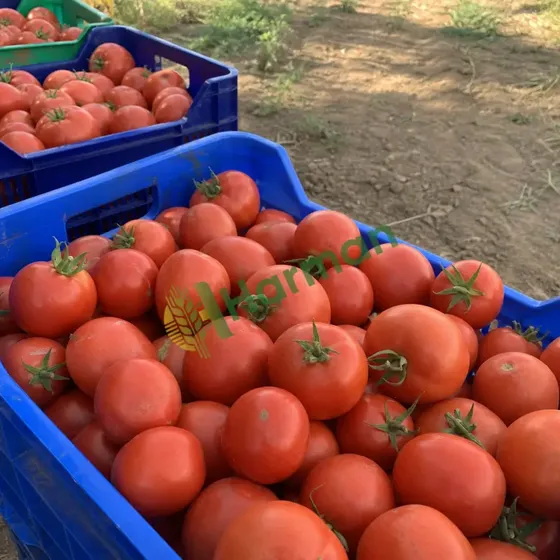
Tomatoes are the crop most American gardeners grow first, and for good reason: a ripe one off the vine tastes nothing like the grocery store. They come in everything from tiny cherries to beefsteaks the size of your hand.
When and how to plant
Tomatoes are a warm-season crop that will not tolerate frost, so they go outside only after the last spring frost has passed, as shown in the planting dates above. Because they need a head start, most gardeners set out transplants rather than sowing seed directly in the garden.
Care
Give tomatoes full sun, steady moisture, and rich soil, and water at the base to keep the leaves dry. Staking or caging keeps the fruit off the ground and makes picking easier.
Common problems
Blossom end rot, hornworms, and early blight are the usual troubles. Consistent watering and good airflow between plants prevent most of them.
Harvest
Pick tomatoes when they are fully colored and give slightly to a gentle squeeze. Twist them off or snip the stem, and bring the last green ones indoors before the first fall frost.
Popular Tomatoes varieties to grow
Choose tomato varieties by growth habit, season length, disease resistance, and how you want to use the fruit. US gardeners usually do best with a mix of dependable hybrids for production and a few heirlooms for standout flavor.
| Variety | Type | Days | Notes | Best for |
|---|---|---|---|---|
| Celebrity | determinate hybrid, slicing | 70 | A widely grown main-season hybrid with medium to large red fruit and good all-around garden performance. It is valued for reliable yields and broad disease resistance. | fresh eating, dependable harvests |
| Better Boy | indeterminate hybrid, slicing | 72 | Produces large red slicers on vigorous plants over a long season. Fruit size and productivity make it a standard home-garden choice. | sandwiches, all-purpose fresh use |
| Early Girl | indeterminate hybrid, early slicing | 57 to 63 | A popular early tomato that starts producing ahead of many larger slicers. Plants are vigorous and fruit is medium sized with balanced tomato flavor. | short seasons, early harvests |
| Roma | determinate paste | 75 | A classic plum tomato with meaty flesh and relatively few seeds. Plants are compact and useful when you want a concentrated crop for kitchen use. | sauce, canning, drying |
| Cherokee Purple | indeterminate heirloom, purple slicing | 80 | An heirloom known for dusky purple-red fruit and rich, complex flavor. Plants need staking and usually produce large, somewhat irregular beefsteaks. | fresh eating, heirloom flavor |
| Sun Gold | indeterminate hybrid, cherry | 57 | One of the most popular cherry tomatoes, with small orange fruit and very sweet flavor. Plants are vigorous and highly productive through the season. | snacking, salads, containers with support |
| Brandywine | indeterminate heirloom, beefsteak | 80 to 90 | A famous heirloom with large pink fruit and exceptional fresh flavor. It is less uniform and slower to mature than modern hybrids, but prized for taste. | slicing, heirloom gardens |
| San Marzano | indeterminate heirloom, paste | 78 to 85 | A classic Italian plum tomato with elongated fruit and dense flesh. It is favored by gardeners who want a sauce type with strong flavor and low seed content. | sauce, canning |
Variety notes are general guidance for US home gardens; local performance varies by climate and season. Availability differs by seed supplier.
Growing Tomatoes in containers
Tomatoes are excellent container crops, especially determinate, dwarf, or patio types. Use at least a 5-gallon pot, 12 to 18 inches deep, with drainage holes, or 10 gallons for large indeterminate plants. Fill with quality potting mix, water whenever the top inch dries, feed regularly with a tomato fertilizer, and provide a cage or sturdy stake.
Watering & feeding Tomatoes
Provide about 1 to 1.5 inches of water weekly, including rainfall, and more during sustained heat or for large plants in containers. Tomatoes are moderately thirsty, especially once they are flowering and fruiting. Water deeply at the soil level in the morning, letting the root zone dry slightly between waterings rather than keeping it soggy. Mulch helps keep moisture even, and containers dry much faster; wilted leaves in dry soil suggest underwatering, while persistently wet soil, yellowing lower leaves, or weak growth can signal overwatering.
Tomatoes are moderate to heavy feeders in fertile soil, with phosphorus and potassium important for roots, flowering, and fruit development. Work compost or other organic matter into the bed before planting, and avoid starting with excessive nitrogen. Feed at planting if the soil needs it, then side-dress lightly after plants are established and again as fruit begins to develop, following the product label and soil-test guidance. Too much nitrogen can produce lush leaves at the expense of flowers and fruit. Keep watering consistent as fruit matures, especially during hot weather. Use a soaker hose or drip irrigation to keep foliage dry and reduce water waste.
Saving Tomatoes seeds
Save seed only from open-pollinated or heirloom tomatoes, because F1 hybrids do not come true from seed. Let fruit become fully ripe, squeeze the gel and seeds into a jar with a little water, ferment 2 to 4 days until the coating loosens, then rinse clean seeds through a fine strainer. Dry seeds in a single layer on a nonstick surface for at least a week, then store cool, dark, and dry. Properly dried tomato seed commonly remains viable about 4 to 6 years.
Tomatoes companion plants
Plant tomatoes with basil, marigolds, sweet alyssum, and borage. Alyssum and borage provide flowers that support pollinators and beneficial insects, while basil is compact enough to share the bed edge. Avoid planting tomatoes close to potatoes because both are susceptible to late blight and other solanaceous diseases. Also avoid black walnut root zones, whose juglone can damage tomatoes.
When to plant Tomatoes near you
Get the exact start-indoors, transplant, and fall planting dates for Tomatoes at your location.
Frequently asked questions about Tomatoes
When should I plant tomatoes outdoors?
Plant tomatoes after the last spring frost, once nights stay above about 50 F and the soil has warmed. In most US gardens, transplants go out in late spring.
How long do tomatoes take to grow?
Most tomatoes are ready 60 to 90 days from transplanting, depending on the variety. Cherry tomatoes are often earlier than large slicing types.
How much sun do tomato plants need?
Tomatoes grow best with at least 6 to 8 hours of direct sun, and 8 or more is ideal. Too little sun usually means fewer fruits and slower ripening.
How far apart should tomato plants be spaced?
Space most tomato plants about 18 to 24 inches apart, with 3 to 4 feet between rows. Large indeterminate varieties often need the wider end of that range for airflow.
Can tomatoes grow in containers?
Yes, tomatoes do well in containers if the pot is large enough, usually at least 5 gallons for compact types and larger for full-size plants. Use a cage or stake, and water consistently because containers dry out fast.
How do I know when tomatoes are ready to pick?
Harvest when fruits have full color and feel slightly firm but not hard. Tomatoes can also be picked at the breaker stage, when color first starts to change, and finished indoors.
General guidance for US home gardens. Reference figures are typical values; your exact timing depends on your local frost dates and variety. Page updated Sep 18, 2026.