
Growing guide · Vegetable
How to Grow Tomatillos
Days to maturity80 days
Spacing30 in
SeasonWarm-season
Start indoors6 wk pre-frost
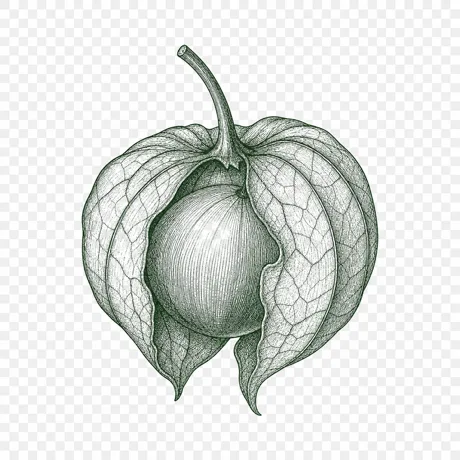
The tomatillo (Physalis philadelphica) is a warm-season relative of the tomato that produces small, round green or purple fruit wrapped in a papery husk. Home gardeners across the US grow it as the fresh, tart base for salsa verde and other Mexican dishes, and it is prized because the plants are vigorous and productive once summer heat arrives.
When and how to plant
Tomatillos are grown as a warm-season annual and are best started from seed indoors about 6 to 8 weeks before your last expected spring frost, then transplanted outside once the soil has warmed and all danger of frost has passed. Set plants 2 to 3 feet apart in full sun, in well-drained soil enriched with compost, since the sprawling stems spread wide and appreciate room to grow. Because tomatillos are not self-fertile, plant at least two plants close together so their flowers can cross-pollinate; a single plant will bloom heavily but set little or no fruit. The plants grow tall and lean, so install a sturdy cage or stake at planting time to keep the branches and developing fruit off the ground.
Care
Water regularly and deeply, aiming for evenly moist soil during the heat of summer while avoiding soggy conditions, and let the surface dry slightly between waterings to encourage strong roots. A layer of organic mulch around the base helps hold moisture, moderate soil temperature, and suppress weeds. Tomatillos are not heavy feeders, so work compost into the bed before planting and use a balanced general-purpose garden fertilizer sparingly, since too much nitrogen produces lush leaves at the expense of fruit. Keep the plants supported and lightly pruned of crossing stems throughout the season so air and light reach the interior.
Common problems
Common pests include flea beetles, aphids, hornworms, and the three-lined potato beetle, most of which can be managed by handpicking, encouraging beneficial insects, and using floating row covers on young plants. As members of the nightshade family, tomatillos can be affected by wilts, leaf spots, and mosaic viruses, so rotate their location each year, water at the base to keep foliage dry, and remove any diseased plants promptly. Blossom drop and poor fruit set are usually caused by extreme heat or having too few plants for cross-pollination rather than by disease.
Harvest
Tomatillos are ready to pick when the fruit fills out and splits the papery husk, typically 60 to 80 days after transplanting; harvest them while still firm and bright rather than letting them soften on the plant. Gently pull or snip the husked fruit from the stem, and expect a steady supply as the plants keep producing until frost. Store unhusked fruit in a paper bag or open container in the refrigerator for several weeks, and remove the husk and rinse off the sticky coating just before use.
Growing Tomatillos in containers
Tomatillos can grow in large containers, but they need substantial sun, space, and support. Use at least a 10 to 15 gallon pot per plant, with drainage and rich potting mix, then stake or cage the plant. Water deeply when the top inch of mix dries and feed regularly with a tomato fertilizer; grow at least two compatible plants for reliable pollination and fruit set.
Watering & feeding Tomatillos
Aim for roughly 1 to 1.5 inches of water per week, including rainfall, and more during sustained heat or fruit production. Tomatillos are average to moderately thirsty, especially in sandy soil and containers. Water deeply at the base so moisture reaches the main root zone, then let the upper soil surface dry slightly between waterings. Mulch limits evaporation and soil splash, and wilting that recovers poorly indicates dryness, while yellow leaves, slow growth, or wet soil may indicate overwatering.
Tomatillos are moderate feeders that need compost-rich, well-drained soil and adequate phosphorus and potassium for flowering and fruiting. Avoid overly rich nitrogen sources, which can produce large leafy plants with fewer fruits. Add compost before planting, then feed lightly after plants establish and again as fruiting begins if soil fertility is low. Do not repeatedly apply high-nitrogen fertilizer once flowering starts. Use drip irrigation or a soaker hose to keep foliage dry and water use efficient. Keep watering even during fruit set to reduce stress and dropped blossoms.
Saving Tomatillos seeds
Save seed from open-pollinated tomatillos, because F1 hybrids do not come true from seed. Pick fully ripe fruit, squeeze the pulp and seeds into a container, add water, and wet-process them, with a brief fermentation if needed to loosen the coating. Rinse clean seeds, spread them in a single layer to dry completely, and do not dry them on paper that will stick. Store dry tomatillo seed cool and dry for roughly four to six years, and isolate varieties if you want to prevent crossing.
Tomatillos companion plants
Grow tomatillos with basil, marigolds, borage, nasturtiums, and flowering herbs to increase pollinator and beneficial-insect activity around their flowers. Lettuce, radishes, or low-growing herbs can use open ground early in the season before tomatillos become large. Avoid planting tomatillos tightly with potatoes, peppers, eggplants, or tomatoes, because all are nightshades that share pests and soilborne diseases, including early blight and verticillium-related problems. Give tomatillos generous space and use at least two compatible plants for pollination and fruit set.
When to plant Tomatillos near you
Get the exact start-indoors, transplant, and fall planting dates for Tomatillos at your location.
Frequently asked questions about Tomatillos
When should I plant tomatillos?
Plant tomatillos outdoors after all danger of frost has passed and the soil has warmed. They need a warm-season growing period similar to tomatoes.
How long do tomatillos take to grow?
Tomatillos usually take about 75 to 100 days from transplanting to harvest. Warm steady weather speeds production.
Do I need more than one tomatillo plant?
Usually yes. Tomatillos are more productive with at least two plants for cross-pollination, even if a single plant flowers heavily.
How much sun do tomatillos need?
Tomatillos need full sun, about 6 to 8 or more hours daily. They also benefit from staking or caging because plants can get large and sprawling.
How do I know when tomatillos are ready to harvest?
Harvest when the papery husk fills out and begins to split, and the fruit inside is firm and full-sized. Do not wait for fruits to soften like tomatoes.
General guidance for US home gardens. Reference figures are typical values; your exact timing depends on your local frost dates and variety. Page updated Sep 18, 2026.