
Tomatillos Pests & Diseases
Tomatillos are vigorous nightshade-family plants that tend to shrug off many problems better than their tomato cousins, but they still draw leaf-eating beetles, caterpillars, and sap-sucking insects, along with the usual solanaceous foliar diseases. Most trouble is easy to head off with good spacing, airflow, and weekly scouting.
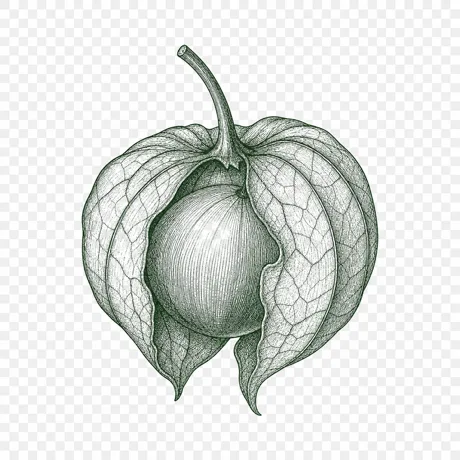
Common Tomatillos pests
The signature tomatillo pest is the three-lined potato beetle, whose slender orange-and-black striped adults and hunched larvae (which carry a wet clump of their own excrement on their backs) chew ragged holes and can skeletonize leaves. Colorado potato beetles and flea beetles also feed on the foliage, flea beetles leaving tiny shot-hole pits especially on young plants. Tomato and tobacco hornworms are large green caterpillars that strip leaves and nick fruit, while aphids, whiteflies, and spider mites cluster on leaf undersides, causing curling, yellowing, sticky honeydew, and fine stippling. Cutworms can sever seedlings at the soil line, and deer, groundhogs, and rabbits will browse tender plants.
Common diseases
Fungal leaf diseases are the most common issue, including early blight (Alternaria), which shows as brown target-ring spots on lower leaves, and Septoria leaf spot, seen as many small circular spots with dark borders and pale centers. Powdery mildew appears as white powdery patches on leaves in warm, crowded plantings. Verticillium and Fusarium wilts cause yellowing, wilting, and one-sided decline that does not recover with watering, and bacterial spot or speck produce small dark greasy-looking lesions on leaves and fruit. Mosaic viruses (such as cucumber mosaic and tobacco mosaic) can cause mottled, distorted, stunted foliage, and damping-off can collapse seedlings at the soil line.
Prevention
Rotate tomatillos so they do not follow tomatoes, peppers, potatoes, eggplant, or other tomatillos for two to three years, since these share pests and soilborne diseases. Space plants generously and cage or stake them so air moves freely and leaves dry quickly, and water at the base with drip or a soaker in the morning rather than wetting the foliage. Mulch to reduce soil splash that spreads fungal and bacterial spores, keep the bed weeded of nightshade relatives like ground cherry and nightshade that harbor pests, and clean up plant debris at season end. Start with healthy, disease-free transplants and avoid working among plants while they are wet.
Organic control
Lead with prevention and hand-picking. Handpick three-lined and Colorado potato beetles, their orange egg masses, and hornworms in the morning and drop them into soapy water, and float lightweight row covers over young plants early in the season, removing the covers once flowering begins so pollinators can reach the blooms. Treat aphids, whiteflies, and mites with insecticidal soap or neem oil applied to leaf undersides, use yellow sticky traps to monitor and reduce whiteflies, and reserve Bt (Bacillus thuringiensis kurstaki) for caterpillars while they are small. Encourage lady beetles, lacewings, and parasitic wasps by avoiding broad-spectrum sprays, and if leaf spots or powdery mildew appear, copper or sulfur products used preventively at the first sign can help. Always read and follow the product label for timing, safety, and application, and avoid spraying open flowers or bees.
Scouting & monitoring
Check plants at least once a week, focusing on leaf undersides and growing tips. Early in the season watch for flea beetle shot holes, cutworm damage on seedlings, and the first striped beetles and their shield-carrying larvae. As plants grow, scout for aphid and whitefly colonies, spider mite stippling, hornworm droppings and chewed leaves, and the earliest leaf spots on lower foliage, since catching spots and beetle egg masses early makes control far easier. In warm, humid mid to late season, monitor for powdery mildew and blight spreading upward, and note any wilting or mottled, distorted leaves that could signal wilt disease or a virus.
Tips
Plant at least two tomatillos close together, because they are largely self-incompatible and need cross-pollination to set fruit, and keeping them caged with open airflow prevents most disease. A healthy, well-spaced tomatillo is naturally tough, so consistent scouting and hand-picking usually keep it productive without heavier intervention.
General home-garden IPM guidance, focused on prevention and least-toxic control. Always read and follow the product label for any pesticide, including organic products. Page updated Sep 19, 2026.