
Growing guide · Vegetable
How to Grow Leeks
Days to maturity120 days
Spacing6 in
SeasonCool-season
Start indoors10 wk pre-frost
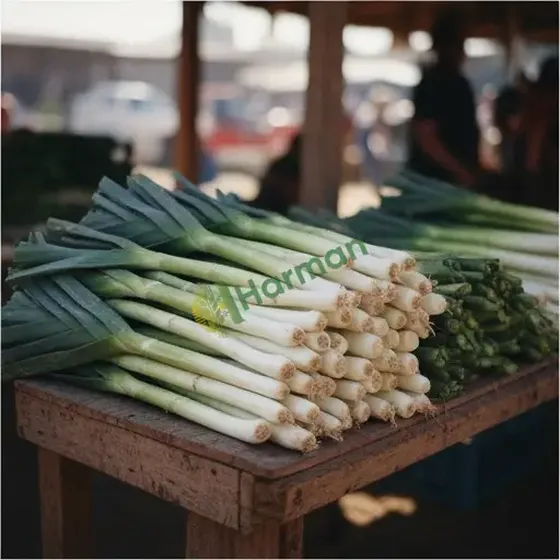
Leeks are a cool-season member of the onion family, grown for their thick, mild-flavored white shanks rather than a rounded bulb. Home gardeners in the US value them for their sweet, delicate onion taste and for their long harvest window, which can stretch from late summer well into winter in many regions. They are more cold-hardy and less pungent than onions, making them a rewarding crop for cooks who want a steady supply of alliums.
When and how to plant
Leeks have a long growing season, often 100 to 150 days from seed, so most gardeners start them indoors 8 to 12 weeks before the last spring frost and set transplants out once the soil can be worked. Choose a spot in full sun with loose, fertile, well-drained soil that holds steady moisture. Space plants about 6 inches apart in rows 12 to 18 inches apart, and set transplants deep in a shallow trench or a dibbled hole 6 inches deep to encourage a long, blanched white shank. In mild-winter areas you can also sow in late summer for an overwintered spring crop, since leeks are biennials that tolerate cold well.
Care
Keep the soil evenly moist throughout the season, as leeks are shallow-rooted and grow slowly, and a layer of mulch helps conserve water and suppress weeds. Because it is a long-season, heavy-feeding crop, work plenty of compost or aged organic matter into the bed before planting and side-dress with more organic matter partway through the season to sustain steady growth. To lengthen and whiten the tender edible shank, gradually hill loose soil or mulch around the stems as they grow, being careful not to bury the point where the leaves fan out. Weed regularly and shallowly to avoid disturbing the roots, and keep the crop watered right up until harvest.
Common problems
Common pests include onion thrips, which scar the leaves, and the leek moth and onion maggot, whose larvae tunnel into the plant. Diseases to watch for are rust, which shows as orange spots on the leaves, along with downy mildew, purple blotch, and the soilborne white rot. Rotate alliums to a new part of the garden each year, space plants for good airflow, remove and destroy affected leaves, and use floating row covers to keep egg-laying insects off young plants.
Harvest
Harvest leeks anytime once the shanks reach about 1 inch or more in diameter, loosening the soil with a fork before pulling so the roots do not snap. They are very cold-hardy and can stay in the ground into winter under a thick mulch, letting you dig them as needed rather than storing them all at once. Trim the roots and tops, then keep harvested leeks in the refrigerator, where they hold well for several weeks.
Popular Leeks varieties to grow
Leek varieties are usually chosen by shank length, cold hardiness, and whether they are best for summer, fall, or overwinter harvest. For home gardeners, the most useful distinction is early versus hardy late-season types.
| Variety | Type | Days | Notes | Best for |
|---|---|---|---|---|
| American Flag | heirloom, fall leek | 120-150 | A long-grown standard with thick white shanks and blue-green leaves. It is adaptable and one of the most familiar leek varieties in home-garden catalogs. | main-season harvests, classic kitchen use |
| King Richard | early, long shank | 75-90 | King Richard matures earlier than many leeks and develops a long white stem with less hilling than usual. It is popular where gardeners want usable leeks sooner. | early harvests, milder climates |
| Lancelot | hybrid, uniform | 90-110 | Lancelot is a dependable hybrid with straight, thick shanks and strong vigor. It is often chosen for uniform, high-quality leeks in home and market gardens. | reliable all-purpose production |
| Bandit | winter hardy | 120-140 | Bandit is known for dark blue leaves and strong winter hardiness. It is an excellent choice for late fall and overwintering in suitable climates. | overwintering, cold-climate gardens |
| Tadorna | winter hardy | 100-120 | Tadorna is another leek favored for cold tolerance and sturdy shanks. It holds well in the garden through late-season weather. | late harvests, hardy plantings |
| Giant Musselburgh | heirloom, large | 100-120 | A historic large leek with broad stems and vigorous growth. It has been grown for generations and remains a popular heirloom option. | large leeks, heirloom kitchen gardens |
Variety notes are general guidance for US home gardens; local performance varies by climate and season. Availability differs by seed supplier.
Growing Leeks in containers
Leeks grow well in deep pots and are a good container crop for cool seasons. Use a container at least 12 inches deep with drainage, spacing plants 4 to 6 inches apart in fertile potting mix. Keep the soil consistently moist, feed periodically with a nitrogen-containing fertilizer, and mound mix around stems as they lengthen to produce longer white shanks.
Watering & feeding Leeks
Provide about 1 inch of water per week, increasing toward 1.5 inches in heat, drought, or sandy soil. Leeks have average water needs, but dry spells can slow growth and make stems tough. Water deeply at the base when the top inch of soil begins to dry, with more frequent checks for containers. Mulch helps retain moisture, and morning watering keeps leaves from staying wet overnight. Wilting and thin, tough plants suggest drought stress, while yellowing in constantly wet ground may indicate excess water.
Leeks are moderate feeders and benefit from compost worked into well-drained soil before planting. Nitrogen supports steady leafy growth, while balanced levels of phosphorus and potassium support roots and overall vigor. Add compost before planting, then side-dress lightly with nitrogen or a balanced vegetable fertilizer after plants are established and again during midsummer if growth is slow. Feed lightly and consistently rather than heavily all at once. Do not overuse nitrogen late in the season, especially if plants are already growing well. Keep soil moisture even while hilling soil around the stems for blanching. Water the soil after hilling to settle it without washing soil into the leaf folds.
Saving Leeks seeds
Save seed from open-pollinated or heirloom leeks, not F1 hybrids, and isolate varieties because insects can cross-pollinate them. Leeks are biennial, so retain healthy, true-to-type plants through winter and let their second-year round flower heads dry until black seeds are visible. Cut mature heads before seed drops, dry them fully, rub out the seeds, and remove chaff. Store cool, dark, and dry, and use leek seed within about 1 to 2 years for best germination.
Leeks companion plants
Grow leeks with carrots, celery, lettuce, and strawberries. Their narrow leaves use little horizontal space, carrots and leeks are a classic mixed planting for pest diversification, and lettuce can be harvested before leeks enlarge. Avoid peas and beans immediately nearby, because alliums can inhibit legumes and the two crops are not an especially compatible use of bed space.
When to plant Leeks near you
Get the exact start-indoors, transplant, and fall planting dates for Leeks at your location.
Frequently asked questions about Leeks
When should I plant leeks?
Leeks are usually started from seed or transplants in spring for harvest from late summer through fall. In mild climates, they can also be grown through winter.
How long do leeks take to grow?
Leeks are slow growers and often take about 100 to 130 days, sometimes longer. Starting from transplants saves time.
How far apart should leeks be planted?
Space leeks about 4 to 6 inches apart. Many gardeners plant them in trenches or deep holes and gradually hill soil around the stems for longer white shanks.
Do leeks need full sun?
Yes, leeks grow best in full sun, though they tolerate light shade. Rich soil and even moisture improve size and tenderness.
How do I know when leeks are ready to harvest?
Harvest when the stems are large enough to use, often around 1 inch across or more. They can stay in the garden through cool weather and are often sweeter after light frosts.
General guidance for US home gardens. Reference figures are typical values; your exact timing depends on your local frost dates and variety. Page updated Sep 18, 2026.