
Leeks Crop Rotation
Rotating leeks each season keeps allium-specific pests and soilborne diseases from building up in one bed. Because leeks are slow-growing heavy feeders that occupy a bed for many months, giving them fresh ground also helps keep the soil balanced.
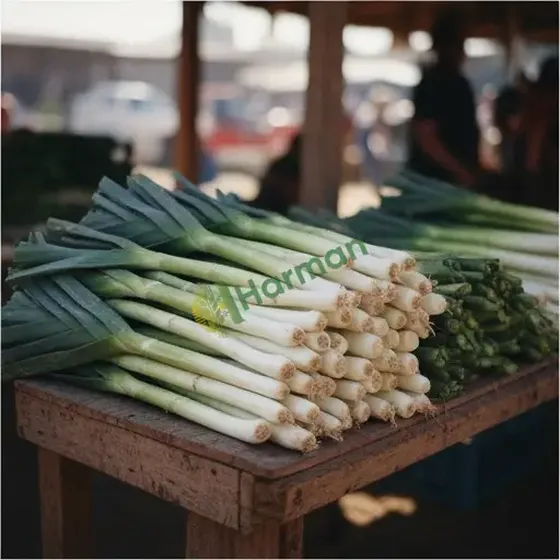
Plant family
Leeks belong to the onion family (Allium), along with their close relatives onions, garlic, shallots, chives, and scallions. All of these share the same pests and diseases, so gardeners should treat them as one group when planning rotations.
Why rotate leeks
Growing leeks or other alliums in the same spot year after year lets soilborne troubles concentrate, including white rot, whose long-lived resting bodies can survive in the soil for many years, as well as pink root, downy mildew, onion maggot, thrips, and leek moth. As heavy feeders, leeks also draw down nitrogen and other nutrients, so repeated planting in one bed can leave the ground depleted. Moving the crop breaks these pest and disease cycles and gives the soil time to recover.
What to plant after
Leeks do well following legumes such as peas and beans, which fix nitrogen and leave the soil enriched for a hungry crop like leeks. Following a leafy crop or a well-composted bed also works, since leeks respond to fertile, high-organic-matter ground. The goal is to give this heavy feeder a predecessor that leaves plenty of nitrogen and good soil structure behind.
What to avoid
Avoid planting leeks right before or after other members of the onion family, including onions, garlic, shallots, chives, and scallions, because they all host the same pests and diseases that carry over in the soil. It is also wise not to return leeks to a bed where any allium recently grew until several seasons have passed, especially if white rot has ever appeared there.
Example rotation
A simple four-year plan for one bed could run like this: Year 1 legumes such as peas or beans, Year 2 leeks and other alliums, Year 3 brassicas like cabbage or broccoli, and Year 4 root crops such as carrots or beets. The following year you start the cycle over, so leeks only come back to that bed once every four years. This keeps at least a three-year gap between allium plantings in the same ground.
Tips
Keep a simple map or garden journal each year so you always know where the alliums grew and can avoid repeating too soon. Grouping all your alliums together in one block makes them easy to rotate as a unit, and sowing a nitrogen-fixing cover crop or a legume before leeks helps refill the soil for this heavy feeder.
General guidance for US home gardens. Adapt to your own crops, soil, and space; your Cooperative Extension office can help with a plan for your area. Page updated Sep 18, 2026.