
Growing guide · Vegetable
How to Grow Green Onions
Days to maturity60 days
Spacing2 in
SeasonCool-season
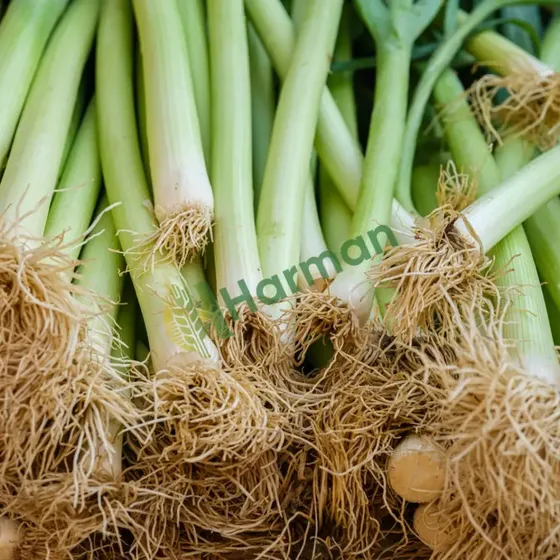
Green onions, also called scallions, are a fast-growing member of the onion family harvested young for their slender white stems and hollow green tops. Home gardeners across the US grow them because they mature quickly, take up very little space, and add fresh, mild onion flavor to salads, soups, and garnishes. They are one of the most forgiving crops for beginners and fit easily into containers, raised beds, or gaps between larger vegetables.
When and how to plant
Green onions are a cool-season crop that you can direct sow from seed or plant from small sets, and they do not need to form a bulb before you pick them. Sow seeds about a quarter to half an inch deep in early spring as soon as the soil can be worked, and make repeat sowings every two to three weeks for a steady supply; in mild-winter regions you can also plant in fall. Space seeds or sets close together, roughly one to two inches apart in rows about a foot apart, since you harvest them young and slim. Choose a spot with full sun and loose, well-drained soil rich in organic matter, and keep the surface moist until seedlings emerge, which can take one to two weeks.
Care
Because their roots are shallow and the crop grows fast, green onions do best with consistent, even moisture, so water whenever the top inch of soil starts to dry out. Work some compost or well-rotted organic matter into the bed before planting, and a light, balanced feeding partway through the season keeps the tops tender and green. A thin layer of mulch helps hold moisture and suppress weeds, but keep it pulled back slightly from the stems so they do not stay wet and rot. Pull or hoe weeds regularly, since young onions compete poorly, and thin crowded seedlings so air can move through the row.
Common problems
The most common pests are onion thrips, which cause silvery streaking on the leaves, and onion maggots, whose larvae tunnel into the base; rotating where you plant alliums each year and using floating row covers at planting help prevent both. Fungal issues such as downy mildew, purple blotch, and various rots show up in wet, crowded conditions, so wide spacing, good drainage, and watering at the base rather than overhead go a long way toward keeping plants healthy. Removing crop debris at the end of the season and avoiding replanting onions in the same spot two years in a row also reduces disease and pest carryover.
Harvest
Green onions are usually ready to harvest about 60 to 80 days from seed, or sooner from sets, once the tops reach six to eight inches tall and the stems are pencil-thick. Pull the whole plant, loosening the soil first with a fork if it is compacted, and trim off the roots and any damaged leaves. They keep best fresh, so store them unwashed in the refrigerator wrapped loosely or standing in a jar with a little water, and use them within one to two weeks.
Growing Green Onions in containers
Green onions are exceptionally well suited to containers and need little space. Use a pot at least 6 inches deep with drainage and fertile potting mix, spacing plants 1 to 2 inches apart. Keep the mix evenly moist and feed lightly every few weeks, using bunching onion varieties or regrowing rooted grocery-store scallions.
Watering & feeding Green Onions
Provide about 1 inch of water per week from rain and irrigation, increasing a little in hot, dry weather. Green onions are average water users but become thirsty quickly in sandy soil or containers. Water gently and often enough to keep the root zone consistently moist, preferably in the morning and at soil level. Mulch helps conserve moisture, while yellowing, limp leaves can signal drought or excessive wetness, and persistently soggy soil can cause rot.
Green onions are light to moderate feeders and benefit most from nitrogen for leafy growth, plus reasonably fertile soil with phosphorus and potassium already present. Work compost or well-rotted organic matter into the bed before planting. At planting, use compost or a light, balanced garden fertilizer if the soil is not fertile. Give a small nitrogen side-dressing once plants are established if growth is pale or slow, but stop heavy feeding close to harvest. Harvest outer plants or leaves gradually so the remaining plants keep growing. Check moisture a few inches below the surface rather than watering only because the soil looks dry on top.
Saving Green Onions seeds
Save seed from open-pollinated green onion varieties, not F1 hybrids, which will not come true. Most green onions are onion types and are biennial, so allow selected bulbs to overwinter and collect the black seeds when the second-year flower heads dry and begin to open. Cut whole umbels into a bag, rub out the seed, and dry it completely before storage. Onion seed is relatively short-lived, usually best used within one to two years, and flowering onions should be isolated from compatible onion varieties.
Green Onions companion plants
Green onions are especially useful beside carrots, lettuce, beets, strawberries, and brassicas because their narrow upright leaves occupy little space. Their allium scent may help diversify plantings around crops troubled by aphids or carrot rust flies, although it should not replace physical pest control. Avoid placing green onions near beans and peas if space is limited, as alliums can suppress legume growth in some garden settings and the pairing is not consistently beneficial. Also avoid crowding them with other alliums if that makes rotation difficult, since related crops can share onion pests and diseases.
When to plant Green Onions near you
Get the exact start-indoors, transplant, and fall planting dates for Green Onions at your location.
Frequently asked questions about Green Onions
When should I plant green onions?
Green onions can be planted in spring in most US gardens, and in mild climates they can be grown during much of the year. They handle cool weather better than hot weather.
How long do green onions take to grow?
Green onions are often ready in about 50 to 70 days from seed, sometimes sooner from sets or divisions. You can harvest them young for thinner scallions.
Do green onions need full sun?
Yes, green onions grow best in full sun, though they tolerate light shade. Good light helps them size up faster.
Can I grow green onions in containers?
Yes, green onions are very easy to grow in containers, window boxes, and raised beds. They do best with regular water and rich well-drained soil.
How do I know when green onions are ready to harvest?
Harvest when the stalks are the thickness you want, usually before any bulb gets large. You can pull whole plants or snip some and let others keep growing.
General guidance for US home gardens. Reference figures are typical values; your exact timing depends on your local frost dates and variety. Page updated Sep 18, 2026.