
Green Onions Crop Rotation
Rotating green onions keeps the soil from building up the specific pests and diseases that favor the onion family. Moving them to a fresh bed each year also helps balance the nutrients they draw from the soil.
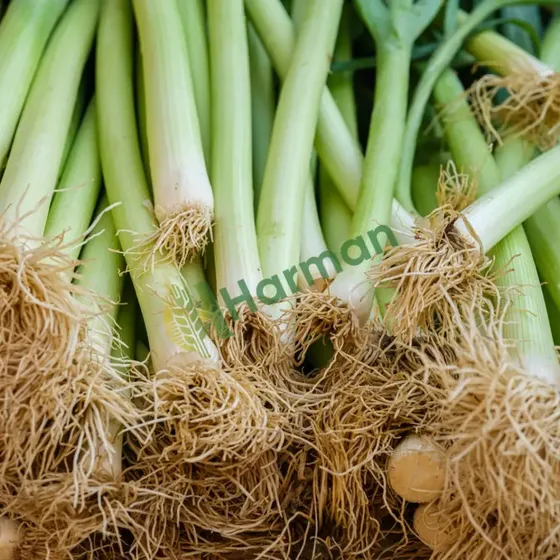
Plant family
Green onions belong to the allium family (Amaryllidaceae), which also includes bulb onions, garlic, leeks, shallots, and chives. Because these relatives share the same soilborne diseases and pests, they should be treated as one group when you plan a rotation.
Why rotate green onions
When alliums grow in the same spot year after year, soilborne problems such as onion white rot, pink root, and Fusarium basal rot can accumulate and become hard to control. The resting structures of white rot in particular can survive in the soil for many years, so repeated planting steadily raises the risk. Onion maggots, thrips, and certain nematodes also increase where the family is grown continuously, and the shallow-rooted crop can leave a bed short on nitrogen.
What to plant after
Green onions do well after legumes such as peas or bush beans, which fix nitrogen and leave the soil richer for the light, steady feeding that alliums prefer. They also follow leafy greens or a cover crop nicely, since those crops help keep the bed loose, weed-free, and in good tilth for shallow allium roots.
What to avoid
Avoid planting green onions right before or after any other member of the onion family, including bulb onions, garlic, leeks, shallots, and chives, because they share the same diseases and pests that carry over in the soil. It is also wise not to follow a crop that left the bed compacted or waterlogged, since poor drainage encourages the rots that trouble alliums.
Example rotation
A simple four-year plan for one bed could be: Year 1 legumes like peas or beans, Year 2 green onions and other alliums, Year 3 fruiting crops such as tomatoes or squash, and Year 4 root or leafy crops like carrots or lettuce. After the fourth year you return to legumes and begin the cycle again, which keeps the alliums out of that bed for three seasons at a time.
Tips
Keep a simple garden map or notebook each season so you can see where the onion family last grew and wait at least three years before returning them to the same bed, longer if white rot has ever appeared. Grouping all your alliums together in one part of the garden makes them easier to rotate as a block, and sowing a cover crop in the off season helps rebuild the soil between plantings.
General guidance for US home gardens. Adapt to your own crops, soil, and space; your Cooperative Extension office can help with a plan for your area. Page updated Sep 18, 2026.