
Growing guide · Vegetable
How to Grow Eggplant
Days to maturity80 days
Spacing18 in
SeasonWarm-season
Start indoors8 wk pre-frost
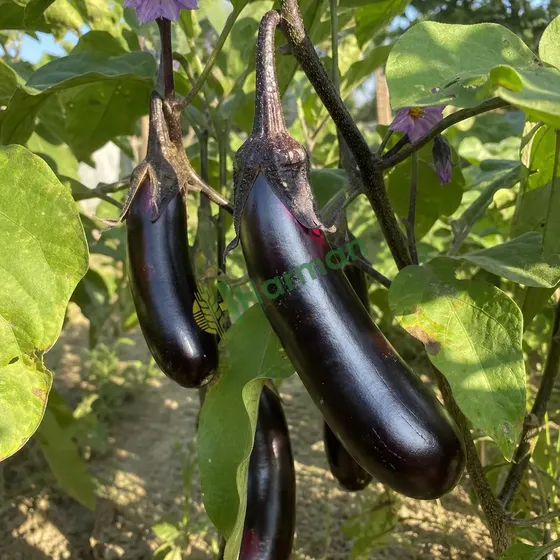
Eggplant brings glossy, ornamental fruit and a meaty texture to the garden. The plants are as handsome as any flower and love a hot summer.
When and how to plant
Even more heat-loving than peppers, eggplant waits for thoroughly warm soil well after the last frost shown above. Start it early indoors, because it is slow to mature.
Care
Full sun, rich soil, and steady water suit it best, and a stake supports the heavy fruit. It rewards warmth with a long harvest.
Common problems
Flea beetles peppering the leaves with tiny holes are the classic pest. Vigorous plants and a floating cover on young seedlings help.
Harvest
Pick eggplant when the skin is glossy and springs back to a light press. Cut the tough stem with pruners, and harvest often to keep fruit coming.
Popular Eggplant varieties to grow
Choose eggplant by fruit size, color, and how long your summer runs. Long warm seasons favor large Italian and globe types, while compact or early varieties are easier for containers and cooler regions.
| Variety | Type | Days | Notes | Best for |
|---|---|---|---|---|
| Black Beauty | globe eggplant | 75 to 80 | The classic large purple-black eggplant with broad fruit and traditional shape. It remains one of the most widely grown garden varieties. | slicing, roasting |
| Ichiban | Japanese eggplant | 60 to 70 | A popular long slender type that matures earlier than many globe eggplants. Fruit is tender and excellent for quick cooking. | grilling, stir-fry |
| Rosa Bianca | Italian heirloom | 75 to 85 | A rounded lavender-and-white heirloom with mild flavor and attractive ribbed fruit. It is prized for eating quality and appearance. | heirloom gardens, roasting |
| Fairy Tale | mini eggplant hybrid | 50 to 60 | A compact plant with small striped fruit and ornamental appeal. It is productive in containers and small beds. | containers, small-space harvests |
| Listada de Gandia | striped heirloom | 80 to 90 | Produces oval white fruit striped with purple and has mild, tender flesh. It is a favorite for gardeners wanting an unusual heirloom. | specialty cooking, ornamental gardens |
| Millionaire | Japanese hybrid | 55 to 60 | An early slender eggplant with glossy dark purple fruit and tender texture. It is productive and well suited to home gardens. | early harvests, grilling |
| Hansel | compact purple hybrid | 55 | A compact All-America Selections winner that sets clusters of slim dark fruit. It is especially useful for patio growing. | containers, small gardens |
| Nadia | Italian hybrid globe | 67 to 75 | A productive modern variety with deep purple fruit and relatively early maturity for a large-fruited type. Plants perform well in many home gardens. | all-purpose cooking, reliable yields |
Variety notes are general guidance for US home gardens; local performance varies by climate and season. Availability differs by seed supplier.
Growing Eggplant in containers
Eggplant is well suited to containers, particularly compact varieties. Use one plant in a 5-gallon pot at least 12 to 18 inches deep with drainage holes and rich potting mix. Keep the mix evenly moist, feed regularly after flowering begins, and stake plants if needed, choosing patio, Asian, or small-fruited varieties for pots.
Watering & feeding Eggplant
Provide roughly 1 to 1.5 inches of water per week, with more during prolonged heat or when plants are fruiting heavily. Eggplant is thirsty and performs poorly when allowed to dry out repeatedly. Water slowly and deeply at the base to wet the root zone, preferably in the morning, and use mulch to limit evaporation. Containers dry faster, while wilting that improves after watering suggests drought stress and yellow leaves or soggy soil suggest overwatering.
Eggplant is a heavy feeder and benefits from fertile, well-drained soil enriched with compost before planting. Nitrogen supports early canopy growth, while phosphorus and potassium support rooting, flowering, and fruit production. Prepare beds with compost and apply a balanced vegetable fertilizer at planting if needed. Side-dress after plants are established and again as fruit set begins, but do not overapply nitrogen or plants may make leaves instead of fruit. Keep watering even once flowers and fruit appear. Support plants if fruit loads become heavy, so roots are not disturbed later.
Saving Eggplant seeds
Save seed from open-pollinated or heirloom eggplant, not F1 hybrids, which will not reliably come true. Leave a healthy fruit on the plant until it is dull, overripe, and often yellowish or brown, then scoop out the pulp, wash the seeds free, and separate floating debris. Dry the viable seeds thoroughly on a screen or plate for 1 to 2 weeks, then store them cool and dry for about 4 to 6 years.
Eggplant companion plants
Good companions for eggplant include cilantro or dill allowed to flower, plus low-growing lettuce or radishes early in the season. Flowering cilantro and dill provide nectar that supports beneficial insects, and quick greens use space before eggplants become large. Avoid placing eggplant immediately beside potatoes, tomatoes, or peppers, because these close relatives share major pests and diseases, including Colorado potato beetles and several foliar diseases.
When to plant Eggplant near you
Get the exact start-indoors, transplant, and fall planting dates for Eggplant at your location.
Frequently asked questions about Eggplant
When should I plant eggplant outdoors?
Set eggplant out after the last frost, when the soil is warm and nights stay above about 55 F. It needs warm conditions much like peppers.
How long does eggplant take to grow?
Most eggplants are ready about 70 to 90 days from transplanting. Smaller-fruited varieties are often earlier than large globe types.
How much sun does eggplant need?
Eggplant needs full sun, at least 6 to 8 hours per day. More sun usually means stronger plants and better fruit set.
How far apart should eggplant be spaced?
Space eggplants about 18 to 24 inches apart, with rows 2.5 to 3 feet apart. Good airflow helps reduce stress and disease pressure.
Can eggplant grow in containers?
Yes, eggplant grows well in large containers, usually 5 gallons or bigger. Staking helps keep heavy fruiting plants upright.
When is eggplant ready to harvest?
Harvest when the fruit is glossy and has reached usable size for the variety. Dull skin and hard seeds usually mean it has gone too long.
General guidance for US home gardens. Reference figures are typical values; your exact timing depends on your local frost dates and variety. Page updated Sep 19, 2026.