
Growing guide · Vegetable
How to Grow Carrots
Days to maturity70 days
Spacing3 in
SeasonCool-season
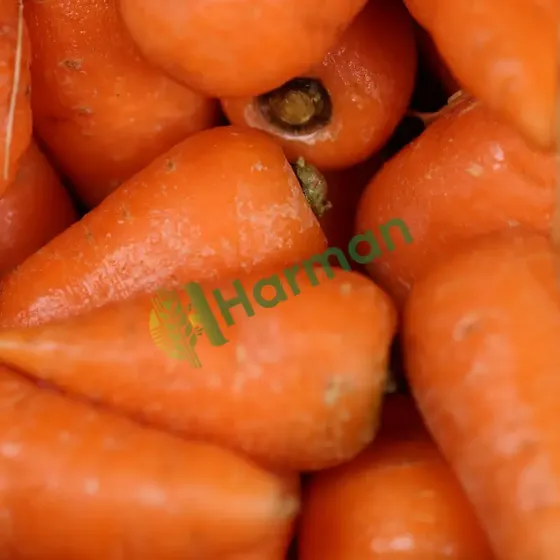
A homegrown carrot pulled from loose soil is crisp, sweet, and a world apart from the bagged kind. They store well and come in a rainbow of colors.
When and how to plant
Carrots are cool-season and cold-tolerant, sown directly a few weeks before the last frost as the dates above show, since the roots resent transplanting. They can also be sown for a fall crop.
Care
Loose, stone-free soil and even moisture give straight, well-shaped roots. Thinning the seedlings gives each carrot room to size up.
Common problems
Carrot rust fly and forked roots in rocky soil are the usual issues. A fine row cover and deeply worked beds solve most of it.
Harvest
Pull carrots once they have colored up and reached a usable size; a light frost sweetens them. Loosen the soil first so the roots come up whole.
Popular Carrots varieties to grow
Choose carrots by root length, soil type, and intended use, fresh eating, storage, or baby harvests. Heavy or shallow soils favor shorter roots, while deep loose beds allow long Nantes and Imperator types to size up well.
| Variety | Type | Days | Notes | Best for |
|---|---|---|---|---|
| Danvers 126 | Danvers, open-pollinated | 65 to 75 | A dependable medium-long carrot with strong tops and good tolerance of heavier soils. It is a classic all-purpose home-garden variety. | fresh eating, storage, difficult soils |
| Scarlet Nantes | Nantes heirloom | 65 to 70 | A famous carrot with cylindrical roots, crisp texture, and sweet flavor. It performs best in loose well-worked soil. | fresh eating, juicing |
| Nantes Half Long | Nantes | 65 to 70 | A shorter Nantes type that produces blunt-tipped sweet roots. It is reliable in many home gardens and easy to grow. | home gardens, fresh use |
| Little Finger | baby carrot type | 55 to 60 | A small carrot that matures quickly and produces short sweet roots. It is excellent for dense planting and small spaces. | containers, baby carrots |
| Bolero | Nantes hybrid | 75 | A modern carrot noted for uniform roots and strong disease resistance in the foliage. It is also regarded as a good keeper. | storage, dependable harvests |
| Imperator 58 | Imperator | 75 to 80 | A long tapered carrot with classic grocery-store shape. It needs deep loose soil to develop its full length cleanly. | long roots, fresh market style |
| Tendersweet | long sweet carrot | 75 | Produces long, smooth, nearly coreless roots with good sweetness. It is well liked for fresh eating and juice. | fresh eating, juicing |
| Paris Market | round carrot | 50 to 60 | A small round carrot suited to shallow or rocky soils where long roots struggle. It is also useful for container culture. | heavy soils, containers |
Variety notes are general guidance for US home gardens; local performance varies by climate and season. Availability differs by seed supplier.
Growing Carrots in containers
Carrots are excellent container crops when the pot is deep enough for the selected root type. Use loose, stone-free potting mix in a container at least 10 to 12 inches deep for short varieties, or 16 inches or deeper for longer carrots, with drainage holes. Keep soil evenly moist for germination and root growth, avoid heavy feeding, and choose short Nantes, Chantenay, or round varieties for pots.
Watering & feeding Carrots
Provide about 1 inch of water per week, increasing toward 1.5 inches in hot, dry weather or sandy soil. Carrots have average water needs, but shallow-rooted seedlings need especially consistent moisture. Water gently and often enough to keep the seed zone moist until germination, then water deeply to moisten the root zone without leaving it soggy. Water at the base in the morning, use mulch after seedlings are established, and watch for wilting or slow growth from drought and yellowing, soft foliage from excess water.
Carrots are light to moderate feeders and grow best in loose, compost-amended soil with moderate phosphorus and potassium. Avoid fresh manure, heavy compost applications, and high-nitrogen fertilizer, which can encourage forked or hairy roots. Work finished compost and a balanced, low-nitrogen vegetable fertilizer into the soil before planting if soil fertility is low. A light side-dressing after seedlings are established can help poor soils, but stop if tops are lush and roots are not sizing up. Keep the top inch of soil consistently damp until seeds sprout, which may take two to three weeks. Thin seedlings promptly so each root has room to develop.
Saving Carrots seeds
Save seed from open-pollinated or heirloom carrots, not F1 hybrids, and isolate flowering carrots from Queen Anne's lace and other carrot varieties to avoid crossing. Carrots are biennial, so select sound roots, overwinter them in mild areas or store and replant them in spring, then let the second-year umbels turn brown and dry. Cut dry umbels into a bag, rub out the seed, dry it well, and store cool and dry for about 3 years.
Carrots companion plants
Good companions for carrots include onions, chives, garlic, lettuce, and radishes. Alliums are commonly used near carrots to help disrupt carrot-fly host finding, while lettuce and radishes use space without heavily competing with the deepening carrot roots. Avoid growing carrots immediately beside mature fennel, whose vigorous roots and foliage compete for water, nutrients, and light.
When to plant Carrots near you
Get the exact start-indoors, transplant, and fall planting dates for Carrots at your location.
Frequently asked questions about Carrots
When should I plant carrots?
Sow carrots in early spring for late spring or summer harvest, and again in late summer for fall harvest in many US regions. They grow best in cool to mild weather.
How long do carrots take to grow?
Most carrots mature in about 60 to 80 days, though baby carrots can be pulled sooner. Short varieties are often quicker than long storage types.
How much sun do carrots need?
Carrots grow best in full sun but can still do well with partial shade. At least 6 hours of direct light is a good target.
How far apart should carrots be spaced?
Thin carrots to about 2 to 3 inches apart once seedlings are established. Crowded roots stay small or grow misshapen.
Can carrots grow in containers?
Yes, carrots do well in containers if the pot is deep enough for the variety. Choose shorter types for shallow beds or pots.
How do I know when carrots are ready to harvest?
Check the shoulder of the root at the soil line for size and color. Most home gardeners harvest once roots reach usable size rather than waiting for a specific day.
General guidance for US home gardens. Reference figures are typical values; your exact timing depends on your local frost dates and variety. Page updated Sep 19, 2026.