
Growing guide · Vegetable
How to Grow Bitter Melon
Days to maturity70 days
Spacing18 in
SeasonWarm-season
Start indoors4 wk pre-frost
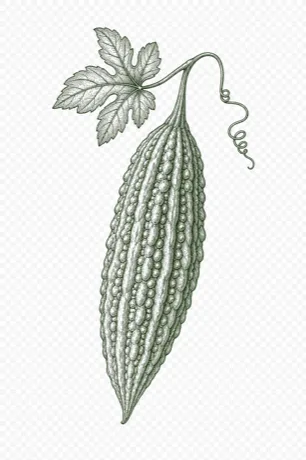
Bitter melon, also called bitter gourd, balsam pear, or by its Asian-market names karela and foo gua, is a fast-climbing warm-season vine grown across the US by gardeners who prize its warty, cucumber-green fruit for stir-fries and soups. In a good summer a single plant can cover a trellis with lacy leaves and dangle a dozen or more ridged gourds within reach. It is a favorite in home gardens from the Gulf South to the warm valleys of California, and increasingly in backyard plots wherever the season is long and hot.
When and how to plant
This is a heat-loving annual that frost will kill outright, so it goes in the ground only after all danger of frost has passed and the soil has warmed to about 65 to 70 degrees F. In most of the country gardeners start seeds indoors about 4 weeks before the last spring frost and set transplants out roughly 2 weeks after that date, though gardeners in long-season southern zones can also direct sow once the soil is reliably warm. Give it full sun, at least 6 to 8 hours a day, and rich, well-drained soil with plenty of compost and a near-neutral pH.
Care
Bitter melon wants steady moisture, so water deeply and regularly to keep the root zone evenly damp, especially once fruit is setting, and mulch to hold that moisture in. Work compost or a balanced fertilizer into the bed at planting and feed lightly through the season, easing off heavy nitrogen once flowering begins so the vine does not run to leaf. Space plants about 18 inches apart and train them up a sturdy trellis, arch, or fence 6 feet or taller, since the fruit hangs cleaner and straighter off the ground. The vine climbs by tendrils and needs only a little guidance to grab on.
Common problems
Common trouble comes from cucumber beetles, aphids, and squash bugs, along with fruit flies that sting developing gourds in some regions, plus powdery mildew and downy mildew in humid weather. Keep vines healthy and airy by spacing well and watering at the base rather than overhead, and remove any badly affected leaves promptly. Rotating where you plant cucurbits each year and cleaning up old vines at season's end reduces carryover of pests and disease. Row cover early on protects young plants, but it must come off once flowers open so pollinators can reach the blooms.
Harvest
Pick bitter melon young and immature, while the skin is still firm and green to pale green and the ridges are well defined, usually when fruit is about 4 to 8 inches long depending on the variety. Cut the stem with a knife or pruners rather than pulling, and check the vine every couple of days because fruit sizes up fast in hot weather. Fruit left too long turns yellow or orange, splits open to reveal bright red seed coats, and grows too bitter and soft for the kitchen. Frequent picking keeps the vine productive.
Growing Bitter Melon in containers
Bitter melon can grow well in a large container if given heat, full sun, and vertical support. Plant one vine in a 10 to 15-gallon container at least 16 inches deep, using rich, well-drained potting mix and a sturdy trellis. Water deeply and consistently, especially while fruit is developing, and feed every 2 to 3 weeks with a vegetable fertilizer. Choose shorter-fruited or compact varieties where available, since they are easier to support in pots.
Watering & feeding Bitter Melon
Supply about 1 to 2 inches of water per week from rain and irrigation, using the higher end during hot weather and active fruiting. Bitter melon is a thirsty crop, although established plants can handle brief dry periods better than young plants. Soak the root zone deeply at the base of the plant and let the soil surface dry slightly between waterings. Mulch helps keep soil evenly moist, and morning irrigation gives leaves time to dry if they get wet. Wilting, dry soil, and misshapen or dropping fruit can indicate drought stress, while yellowing and soggy soil may indicate excess water or poor drainage.
Bitter melon is a moderate to heavy feeder that benefits from compost-rich, well-drained soil before planting. It needs balanced nutrients for vine growth, then adequate potassium and other nutrients for flowering and fruiting. Very high nitrogen can favor vines and leaves over fruit production. Incorporate compost before planting, then side-dress with a moderate, balanced fertilizer after vines begin running and again when fruiting is underway if growth is weak. Feed lightly and observe the plant rather than applying frequent heavy doses. Reduce nitrogen emphasis once flowering begins. Use mulch after the soil has warmed to reduce moisture swings. Check container-grown bitter melon often, because pots can dry rapidly in summer heat.
Saving Bitter Melon seeds
Save seed from open-pollinated or heirloom bitter melon, because F1 hybrids do not come true from seed. Let a selected fruit become fully ripe, turning yellow to orange and often splitting open, then remove its red-coated seeds. Rub off the coating in water, rinse the seeds clean, and dry them in a single layer for one to two weeks. Cool, dry storage usually preserves bitter melon seed for about 4 to 6 years.
Bitter Melon companion plants
Grow bitter melon on a trellis with bush beans, radishes, or lettuce at the bed margin, using vertical and ground-level space separately. Plant borage, alyssum, or other flowering companions nearby to attract pollinators, since bitter melon depends on insect pollination. Beans can leave nitrogen-rich residues after harvest, but do not assume they immediately fertilize the growing vine. Avoid close planting with cucumbers, squash, melons, or pumpkins, because closely related cucurbits compete for space and share cucumber beetles, squash bugs, and diseases such as powdery mildew.
When to plant Bitter Melon near you
Get the exact start-indoors, transplant, and fall planting dates for Bitter Melon at your location.
Frequently asked questions about Bitter Melon
When should I plant Bitter Melon?
Bitter Melon is a warm-season tropical vine, so plant it outdoors only after all danger of frost has passed and the soil has warmed to roughly 65 to 70 degrees F, usually late spring to early summer. In cooler regions, start seeds indoors about 3 to 4 weeks before your last frost date and transplant once nights stay reliably warm.
How long does Bitter Melon take to grow?
Most varieties are ready to harvest about 55 to 70 days after transplanting, or roughly 2.5 to 3 months from seed. Once vines begin fruiting, they typically keep producing through the warm months until cool weather slows them down.
How much sun does Bitter Melon need?
Bitter Melon grows best in full sun, meaning at least 6 to 8 hours of direct light per day. More sun generally means stronger vines and better fruit set, so pick your sunniest spot.
How far apart should I space Bitter Melon plants?
Space plants about 12 to 18 inches apart and give them a sturdy trellis or fence to climb, since the vines can grow quite long. Training them vertically improves air flow, keeps the fruit clean and straight, and makes harvesting easier.
Can I grow Bitter Melon in containers?
Yes, Bitter Melon does well in a large container of at least 5 gallons with drainage holes and a trellis for the vines to climb. Use a rich, well-draining potting mix and water consistently, since pots dry out faster than garden beds.
How do I know when to harvest Bitter Melon?
Pick the fruit while it is still young, firm, and light to medium green, typically around 4 to 6 inches long depending on the variety. If it starts turning yellow or orange it is overripe and the texture suffers, so harvest often to keep new fruit coming.
General guidance for US home gardens. Reference figures are typical values; your exact timing depends on your local frost dates and variety. Page updated Sep 18, 2026.