
Bitter Melon Pests & Diseases
Bitter melon is a warm-season cucurbit, so it faces the same core problems as its cousins cucumbers, squash, and melons: sap-sucking and fruit-boring insects that also spread viruses, plus fungal leaf diseases that thrive in humid summer weather. Most trouble can be headed off with good airflow, clean beds, and early scouting rather than sprays.
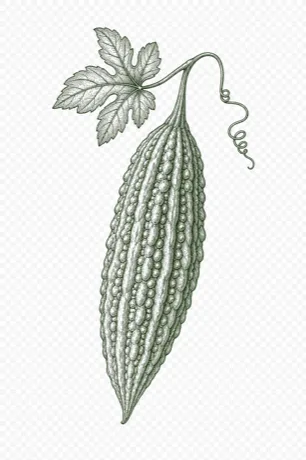
Common Bitter Melon pests
Watch for striped and spotted cucumber beetles, small yellow-green beetles with dark stripes or spots that chew flowers and leaves and can transmit bacterial wilt. Melon aphids (Aphis gossypii) cluster on new growth and leaf undersides, curling foliage and leaving sticky honeydew that turns into black sooty mold. In warm regions the melon fly (Zeugodacus cucurbitae) and pickleworm bore into developing fruit, causing rot and premature drop, while whiteflies and two-spotted spider mites cause yellow stippling and can vector viruses. Squash bugs and cucumber beetles also feed on stems and leaves and are worth catching early.
Common diseases
Powdery mildew is the most common issue, showing as white powdery patches on leaves and stems that later yellow and dry. Downy mildew produces angular yellow spots bounded by leaf veins, with gray-purple fuzz on the undersides in humid conditions. Bacterial wilt, spread by cucumber beetles, causes runners to wilt and collapse suddenly, and anthracnose and gummy stem blight create dark sunken spots on leaves, stems, and fruit. Mosaic viruses such as cucumber mosaic and zucchini yellow mosaic, carried by aphids, cause mottled, distorted leaves and deformed fruit.
Prevention
Rotate cucurbits so bitter melon does not follow squash, cucumbers, or melons in the same bed for two to three years. Give plants a sturdy trellis and wide spacing to keep vines up off the ground and let leaves dry quickly, which greatly reduces mildew. Water at the base in the morning rather than overhead, remove and dispose of diseased leaves and old vines at season end, and choose vigorous, healthy transplants. Planting after the soil is warm helps young plants grow fast and shrug off early pest pressure.
Organic control
Hand-pick cucumber beetles and squash bugs in the morning and crush egg masses on leaf undersides, and float lightweight row covers over young plants until they begin flowering, then remove the covers so pollinators can reach the blooms. Bag developing fruit in paper or fine mesh sleeves to block melon fly and pickleworm. Knock aphids and mites off with a strong water spray and rely on lady beetles, lacewings, and hoverflies, turning to insecticidal soap or neem oil only when populations climb. For powdery and downy mildew, sulfur or copper products applied at the first sign of disease can help; always read and follow the product label for what it can be used on and how to apply it.
Scouting & monitoring
Scout at least twice a week from transplanting onward, checking new growth and leaf undersides for aphids, whiteflies, and mite stippling, and inspecting flowers and soil line for cucumber beetles. As fruit set begins, look for entry holes, oozing, or soft spots that signal fruit flies or pickleworms, and pick up dropped fruit promptly. Check the oldest leaves for the first white or angular spots of mildew, since catching it early makes control far easier. Sudden wilting of a single runner on a hot day is a warning sign of bacterial wilt or borers.
Tips
Trellising is the single best move for bitter melon, since vertical vines dry fast, resist mildew, and make pests and fruit easy to spot. Keep the bed clean and rotate your cucurbits each year, and you will avoid most problems before they start.
General home-garden IPM guidance, focused on prevention and least-toxic control. Always read and follow the product label for any pesticide, including organic products. Page updated Sep 19, 2026.