
When & How to Harvest Apples
Home garden apples should be picked at mature harvest, not simply when the skin turns red. Fruit quality, storage life, and flavor all depend on catching the right stage.
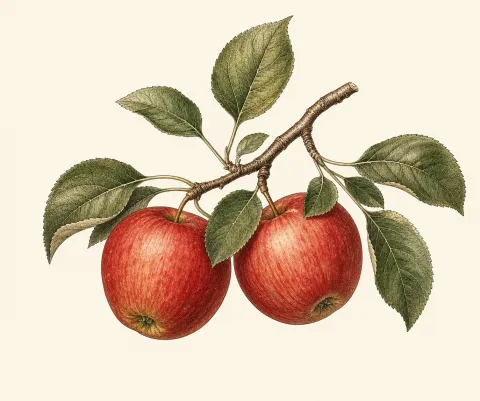
How to tell it is ready
A ripe apple for harvest has reached normal size for the variety and has a background color that shifts from dark green to lighter green, yellow, or cream. Fruit should feel firm and well filled, and seeds are often brown by harvest time. The apple should separate with an upward tilt and slight twist rather than needing a hard pull. Overripe fruit becomes softer and may drop easily.
How to harvest
Cup the apple in your hand, lift it upward, and twist gently so the stem stays attached to the fruit. Avoid pulling straight out because that can tear spurs and reduce next year's crop. Handle each apple carefully to avoid bruising, especially if you plan to store it. Use a picking bag or padded container when harvesting larger amounts.
Timing
Harvest timing depends on the variety, usually from late summer through fall in US home orchards. Many apples mature 100 to 180 days after bloom rather than a fixed number of days from planting. Pick in the cool morning after dew dries, and make several passes because fruit on the same tree may not mature all at once.
After the harvest
Cool fruit promptly and keep only sound, unbruised apples for storage. Most apples store best under cold conditions with high humidity. Use damaged, insect scarred, or overripe fruit first.
Tips
Taste and test several fruits before starting major harvest because color alone can mislead. Do not shake fruit from the tree if you want good keeping quality. Sanitation matters, so remove drops from around the tree to reduce pest and disease carryover.
General guidance for US home gardens. Timing varies by variety and region; check your local frost dates. Page updated Sep 19, 2026.