
Growing guide · Herb
How to Grow Tarragon
Days to maturity75 days
Spacing18 in
SeasonCool-season
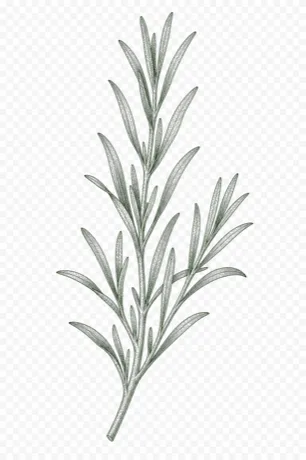
French tarragon is the anise-scented herb at the heart of classic French cooking, the essential flavor in a good bearnaise sauce and in chicken tarragon. Brush a hand across its slender, glossy deep-green leaves and you release a warm licorice fragrance that no other kitchen herb matches. It is a cold-hardy perennial across much of the country, so once established it returns on its own each spring, sending up new shoots from the crown just as the garden wakes up.
When and how to plant
Plant French tarragon in spring after the soil has warmed and hard frost has passed. Because true French tarragon rarely sets viable seed, start with nursery transplants, rooted cuttings, or divisions rather than seed. Choose a spot with full sun, or light afternoon shade in hot southern regions, and light, well-drained soil that never stays soggy. Avoid packets simply labeled tarragon seed, which are almost always the coarser, milder Russian type.
Care
Water moderately and let the top inch of soil dry between waterings, since tarragon strongly dislikes wet feet and rots in heavy, waterlogged ground. Feed lightly once in spring with compost or a balanced fertilizer; over-feeding produces lush but weak-flavored growth. Space plants 18 to 24 inches apart for airflow, and no staking is needed. Divide clumps every three to four years in early spring to keep them vigorous, and mulch the crown in cold-winter areas for protection.
Common problems
French tarragon is generally trouble-free, and most problems trace back to too much moisture. Root and crown rot are the main threats in poorly drained soil, so raised beds or amended, gritty soil are the best prevention. In humid weather powdery mildew, rust, and downy mildew can spot the leaves; space plants well and water at the base to keep foliage dry. Aphids sometimes gather on new shoots and can be knocked off with a strong spray of water.
Harvest
Snip sprigs any time during the growing season once plants are established, taking the tender top few inches. Flavor is richest in early to midsummer, just before the plant tries to flower, so harvest steadily through that window and pinch off any flower buds. Use scissors or pinch just above a leaf node to encourage bushy regrowth, and ease off heavy cutting in late summer so the plant can harden for winter.
Growing Tarragon in containers
Tarragon grows well in containers when given sharp drainage, and a pot is often helpful for overwintering or moving it to a protected spot. Use a 3 to 5-gallon container at least 10 to 12 inches deep, with drainage holes and a gritty, well-drained potting mix. Water after the upper inch dries and fertilize lightly in spring, since wet soil and heavy feeding are more problematic than lean conditions. Grow French tarragon from a purchased plant, because it is the preferred culinary type and does not come true from seed.
Watering & feeding Tarragon
Supply about 1/2 to 1 inch of water per week while plants establish, then water only when the soil has dried several inches below the surface. Tarragon is drought tolerant once established and is more vulnerable to wet soil than brief dryness. Water deeply at the base in the morning, then let the root zone dry somewhat before the next watering. Avoid overhead irrigation and heavy mulch around the crown, especially in humid areas, and remember that containers dry faster. Wilted leaves in dry soil indicate thirst, while yellowing, collapse, or sour-smelling wet soil point to overwatering.
Tarragon is a light feeder that benefits from well-drained soil amended lightly with compost. It does not need heavy nitrogen, and excessive fertility can create soft growth with reduced aroma. Add a modest amount of compost at planting, then feed sparingly in spring if growth is weak or soil is poor. Established in-ground plants often need no additional fertilizer. Avoid late-season or high-nitrogen feeding. Use raised beds or a gritty, well-drained container mix if your native soil is heavy. Divide established French tarragon every few years to maintain vigorous plants.
Saving Tarragon seeds
French tarragon is usually sterile and should be propagated by divisions or cuttings, not seed, while seed-grown Russian tarragon can be saved from open-pollinated plants, F1 hybrids do not come true. If a fertile tarragon plant produces dry brown flower clusters, cut them into a bag, finish drying under cover, and gently thresh out the seed. Store the fully dry seed cool, dark, and dry for about 2 to 3 years, understanding that seedlings may not match French tarragon.
Tarragon companion plants
Plant French tarragon near other drought-tolerant, sun-loving herbs such as thyme, sage, and oregano, where all can share well-drained soil and modest fertility. It can also occupy a bed edge near vegetables without taking much vertical space, but established companion effects for pest control are limited. Because French tarragon rarely flowers or sets viable seed, it is not a major pollinator plant. Avoid pairing it closely with thirsty, heavy-feeding crops or invasive herbs such as mint, since excess moisture and root competition can reduce its vigor.
When to plant Tarragon near you
Get the exact start-indoors, transplant, and fall planting dates for Tarragon at your location.
Frequently asked questions about Tarragon
When should I plant Tarragon?
Plant French Tarragon in spring after your last frost date, once the soil has warmed and nights stay mild. In warmer US zones you can also plant in early fall, and since French Tarragon rarely grows true from seed, start with a nursery transplant or a division.
How much sun does Tarragon need?
Tarragon does best in full sun, meaning about 6 or more hours of direct light per day. In hot Southern gardens a little afternoon shade helps keep the plant from getting stressed during peak summer heat.
How far apart should I space Tarragon plants?
Give each Tarragon plant roughly 18 to 24 inches of space, since a mature plant spreads into a bushy clump 2 to 3 feet wide. Good spacing improves airflow, which helps prevent the fungal problems this herb is prone to.
Can I grow Tarragon in a container?
Yes, Tarragon grows well in a pot at least 10 to 12 inches wide with drainage holes and a light, well draining potting mix. Containers are a good option in cold regions because you can move the plant to a sheltered spot to help it survive winter.
How long does it take Tarragon to grow, and when can I harvest it?
A transplant is usually ready for light harvesting within a couple of months, once it is 6 to 8 inches tall and well established. Snip the top few inches of tender stems in the morning, and harvest lightly the first year so the plant can build strong roots.
What are common problems when growing Tarragon?
The most frequent issue is root rot from soggy soil, so plant in well draining ground and avoid overwatering. Poor airflow can also invite powdery mildew or rust, and plants tend to weaken after a few years, so dividing them every 3 to 4 years keeps them vigorous.
General guidance for US home gardens. Reference figures are typical values; your exact timing depends on your local frost dates and variety. Page updated Sep 18, 2026.