
Growing guide · Herb
How to Grow Lovage
Days to maturity90 days
Spacing24 in
SeasonCool-season
Start indoors6 wk pre-frost
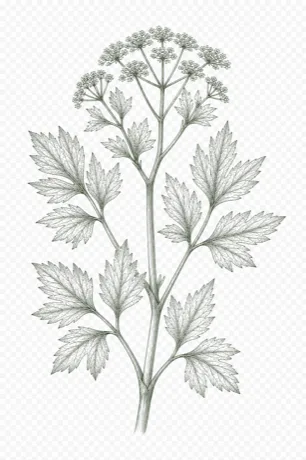
Lovage is a towering hardy perennial that tastes like celery turned up to full volume, so a pinch of the leaves flavors a whole pot of soup. American gardeners plant it once and harvest it for a decade or more, since a single crown returns every spring and can reach 5 to 7 feet tall by midsummer. The hollow stems are famous for doubling as edible straws in a tomato drink, and the whole plant smells like a celery patch when you brush past it. It is a practical choice for cooks who want celery flavor without fussing over blanched stalks every year.
When and how to plant
Lovage is a cool-season, cold-hardy perennial that thrives across roughly USDA zones 3 through 8 and shrugs off spring frost once established. Start seeds indoors about 6 weeks before your last frost, or set out transplants or root divisions around the last frost date; fresh seed can also be direct sown in early spring or early fall. Give it full sun in the North and a spot with some afternoon shade in hot Southern summers. It wants deep, rich, moisture-retentive but well-drained soil with plenty of compost worked in before planting.
Care
Keep the soil consistently moist, especially during dry summer stretches, since drought makes the leaves toughen and the plant bolt to seed early. Feed each spring with compost or a balanced all-purpose fertilizer to support the heavy leaf and stem growth. Space plants about 24 inches apart because a mature clump is broad and heavy, and stake or plant it against a sheltering fence in windy sites so the tall flower stalks do not topple. Divide the crown every 3 to 4 years in early spring or fall to keep it vigorous.
Common problems
The most common visitors are aphids on tender new growth, leaf miners that tunnel pale trails through the foliage, and the striped parsley caterpillar (larva of the black swallowtail butterfly) that chews the leaves. Occasional leaf spot shows up as dark blotches in humid, crowded conditions. Prevent trouble with good spacing for airflow, by removing badly affected leaves, and by rinsing aphids off with a strong spray of water. Many gardeners simply pick around leaf-miner damage and leave the swallowtail caterpillars alone, since the plant is large enough to spare some foliage.
Harvest
Begin picking young outer leaves and stems in late spring once the plant is well leafed out, and keep cutting from the outside of the clump through the season so the center stays productive. Snip individual stalks at the base with scissors or a knife, taking no more than about a third of the plant at once. Harvest the tender leaves before the flower stalks shoot up in early summer for the mildest flavor. You can also collect the ripe seeds in late summer and dig a portion of the aromatic root in fall of the second year or later.
Growing Lovage in containers
Lovage is only moderately suited to containers because it becomes tall, long-lived, and has a large root system. Use at least a 10 to 15-gallon container that is 16 to 18 inches deep, with drainage holes and rich, moisture-retentive potting mix. Keep it evenly moist, feed in spring and midseason, and divide or repot when roots crowd the container. Put the pot in sun to partial shade and expect to stake tall stems in windy locations.
Watering & feeding Lovage
Provide about 1 to 1.5 inches of water per week, with extra attention during hot, dry periods. Lovage is moderately thirsty, particularly in its first year and when producing large leaves. Soak the root zone deeply at the base and use mulch to keep soil cool and evenly moist. Water in the morning, and monitor containers closely because their roots dry faster; drooping with dry soil indicates underwatering, while yellow leaves and poor vigor in saturated soil can indicate overwatering.
Lovage is a moderate feeder that benefits from compost-rich, well-drained soil. Nitrogen supports leafy growth, but balanced soil fertility and organic matter are more useful than frequent heavy feeding. Incorporate compost before planting and top-dress with compost in spring as new growth starts. If growth is weak, side-dress lightly after the first harvest, but avoid late-season heavy nitrogen that encourages tender growth. Mulch around, not directly against, the stems to retain moisture. Divide or refresh crowded plants as needed so roots have room and water penetrates evenly.
Saving Lovage seeds
Open-pollinated lovage can be saved from seed, but plants may cross with other nearby lovage plants, while F1 hybrids do not come true. Let the umbels ripen until seeds are brown and dry, cut them into a paper bag before they shatter, then finish drying and rub or screen out the seeds. Keep seed cool, dark, and dry, and use it quickly because lovage seed often loses vigor after about 1 to 2 years.
Lovage companion plants
Use lovage at the back of a large bed near flowering plants or crops that benefit from beneficial insects, since its tall umbels are attractive to hoverflies, parasitic wasps, and other flower-visiting insects. Its height can provide light afternoon shade in hot areas, but only for crops that tolerate it, such as lettuce. Keep lovage away from small sun-loving vegetables and herbs, because it becomes a large perennial and competes strongly for light, water, and root space. Avoid grouping it tightly with carrots, celery, dill, or parsley, as these Apiaceae relatives can share pests such as carrot rust fly and other disease pressures.
When to plant Lovage near you
Get the exact start-indoors, transplant, and fall planting dates for Lovage at your location.
Frequently asked questions about Lovage
When should I plant Lovage?
In most US regions, sow Lovage seeds or set out transplants in early spring once the soil can be worked and hard frost has passed. You can also start seeds indoors a few weeks before your last frost date, or sow fresh seed in fall in milder climates.
How long does Lovage take to grow?
Lovage is a perennial that grows slowly the first year, so you can usually begin light harvests within a couple of months of setting out plants. It reaches full size and its most productive stage in its second and third years, and it can keep coming back for many years once established.
How much sun does Lovage need?
Lovage grows best in full sun, meaning roughly six or more hours a day, but it tolerates partial shade well. In hot southern gardens, some afternoon shade helps keep the leaves tender and slows bolting.
How far apart should I space Lovage plants?
Give each Lovage plant plenty of room, since a mature plant can grow several feet wide and tall. Spacing plants roughly two to three feet apart is typical, and one or two plants is usually enough for a home garden.
Can I grow Lovage in a container?
Yes, though Lovage has a deep root system and gets large, so use a big, deep pot, ideally five gallons or more, with drainage holes. Container plants dry out faster and stay smaller, so water regularly and expect to divide or repot every couple of years.
How do I know when Lovage is ready to harvest?
Start snipping young outer leaves and stems once the plant is established and putting out plenty of growth, usually from late spring onward. Harvest in the morning and take only about a third of the plant at a time so it keeps producing, and cut before flower stalks form for the most tender leaves.
General guidance for US home gardens. Reference figures are typical values; your exact timing depends on your local frost dates and variety. Page updated Sep 18, 2026.