
Growing guide · Herb
How to Grow Lavender
Days to maturity100 days
Spacing24 in
SeasonCool-season
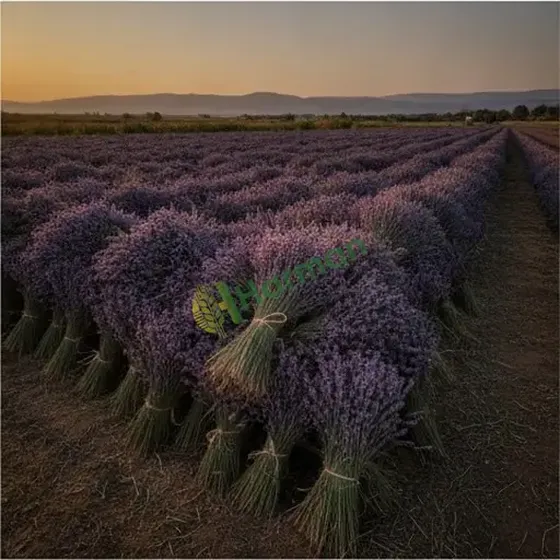
Lavender (Lavandula) is a woody, aromatic perennial herb prized for its fragrant silver-green foliage and spikes of purple, blue, pink, or white flowers. Home gardeners across much of the US grow it for its scent, its long-lasting cut and dried blooms, and the pollinators it draws, including bees and butterflies. English lavender types are the most cold-hardy choice for northern gardens, while Spanish and French types suit milder regions.
When and how to plant
Lavender is easiest to establish from a nursery transplant, since seed is slow and unreliable, and it can also be started from stem cuttings taken from an established plant. Set plants out in spring after the last frost, choosing a spot with full sun, meaning at least six to eight hours of direct light per day. Well-drained soil is essential, so plant in sandy or gravelly ground, on a slope, or in a raised bed, and avoid heavy clay or any low spot where water collects. Space plants about one to three feet apart depending on the mature size of the variety, and aim for a neutral to slightly alkaline soil rather than rich, moist ground.
Care
Water new transplants regularly through their first season to help roots establish, then cut back sharply, because established lavender is drought-tolerant and quickly rots in soggy soil. It thrives in lean conditions and generally needs little to no feeding; overly rich soil produces floppy growth and fewer flowers. A thin layer of light-colored gravel or coarse mulch around the base helps keep the crown dry and reflects heat, while organic mulches piled against the stems should be avoided. Prune each plant lightly in spring or after the main bloom, removing about a third of the top growth to keep it compact, and never cut back into the old bare wood.
Common problems
The most common problems come from too much water, which leads to root rot and fungal diseases in humid climates or poorly drained beds. Prevent these by giving plants full sun, plenty of spacing for airflow, and gritty, fast-draining soil rather than by treating them after the fact. Lavender is largely pest-free, though root rot and dieback in the woody center are signs of excess moisture, and in cold regions winter wet is often more damaging than cold itself.
Harvest
Harvest the flower stems just as the lower buds on each spike begin to open and show color but before they are fully bloomed, when the fragrance and oils are strongest. Cut the stems long in the morning after the dew has dried, using clean shears, and gather them into small bundles. To dry, hang the bundles upside down in a warm, dark, well-ventilated place for a couple of weeks, then store the dried flowers in a sealed container away from light.
Growing Lavender in containers
Lavender is well suited to containers if drainage is excellent, but it struggles in wet, rich mixes. Use a pot at least 12 to 16 inches wide and deep, ideally unglazed clay, with drainage holes and a gritty potting mix. Water deeply only after much of the mix has dried, avoid frequent feeding, and choose compact English lavender types such as 'Munstead' or 'Hidcote'.
Watering & feeding Lavender
Water new lavender plants regularly for their first growing season, then give about 0.5 to 1 inch per week only in prolonged dry weather. Lavender is drought tolerant and needs less water than most garden herbs. Water deeply at the base and allow the soil to dry well between waterings. Keep mulch away from the crown, avoid frequent overhead watering, check containers often but do not keep them wet, and treat yellowing, drooping growth as a possible overwatering warning.
Lavender is a light feeder and generally needs no fertilizer beyond modest compost or suitable soil preparation at planting. Rich amendments and excess nitrogen can cause weak, leafy growth and fewer flowers. Feed only lightly at planting if the soil is very poor, then rely on good drainage rather than routine fertilizer. Do not side-dress heavily during the season or fertilize late in the year. Plant in full sun and use a raised bed or gritty potting mix where drainage is slow. Water at the root zone, not over the foliage.
Saving Lavender seeds
Lavender seed from open-pollinated plants can be saved, but seedlings often vary, and cuttings are the best way to preserve a named cultivar. Let flower spikes dry brown, cut them into a bag, then rub or shake out the small seeds and clean away chaff. Dry fully and store cool, dark, and dry for roughly 2 to 3 years; cold stratification can improve germination.
Lavender companion plants
Good companions for lavender include rosemary, thyme, sage, and oregano because they all prefer full sun, good drainage, and modest fertility. Lavender flowers are especially valuable for pollinators, so place it near fruiting crops while keeping enough distance to preserve sun and airflow. Avoid growing lavender in the same intensively watered bed as vegetables such as lettuce, basil, or celery, because persistent moisture and rich soil can cause weak growth and root problems.
When to plant Lavender near you
Get the exact start-indoors, transplant, and fall planting dates for Lavender at your location.
Frequently asked questions about Lavender
When should I plant Lavender in my garden?
Plant Lavender in spring after the last frost has passed and the soil has warmed, which is the safest window across most US zones. In mild-winter areas like the South and West Coast you can also plant in early fall to let roots establish before summer heat.
How much sun does Lavender need?
Lavender is a full-sun plant and does best with at least 6 to 8 hours of direct sun per day. Too much shade leads to leggy growth, fewer blooms, and a higher risk of fungal problems.
How far apart should I space Lavender plants?
Space most Lavender plants about 2 to 3 feet apart so air can circulate freely around each plant. Good spacing keeps the foliage dry and helps prevent the root rot and mildew that crowded plantings often invite.
Can I grow Lavender in containers?
Yes, Lavender grows well in pots as long as the container has drainage holes and a gritty, fast-draining mix. Containers are especially useful in colder US zones because you can move the plant to a sheltered spot for winter.
What are the most common problems when growing Lavender?
The most common issue is overwatering and poor drainage, which cause root rot and yellowing, so let the soil dry between waterings. Humidity and crowding can also bring on fungal leaf spot or mildew, which better spacing and full sun help prevent.
How do I know when Lavender is ready to harvest?
Harvest when roughly the bottom half to two thirds of the flowers on a stem have opened and the color is bright, ideally on a dry morning after the dew has lifted. Cut the stems just above the woody growth to encourage a tidy shape and possible rebloom.
General guidance for US home gardens. Reference figures are typical values; your exact timing depends on your local frost dates and variety. Page updated Sep 18, 2026.