
Growing guide · Vegetable
How to Grow Ground Cherries
Days to maturity70 days
Spacing24 in
SeasonWarm-season
Start indoors6 wk pre-frost
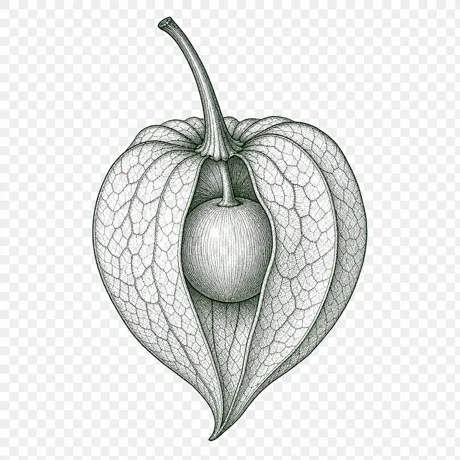
Ground cherries, also called husk cherries or husk tomatoes, are a warm-season relative of the tomatillo that US gardeners grow for their small golden fruits wrapped in papery lantern husks. Each pea-sized to marble-sized fruit tastes sweet and tropical, something like pineapple crossed with a mild tomato. The plants are sprawling and easygoing, and a single healthy plant can drop dozens of husked fruits onto the soil over a long summer. They are a favorite for kids, farmers market growers, and anyone who likes an unusual snacking fruit.
When and how to plant
Grow ground cherries as a warm-season annual, since even a light frost kills the plants. Start seeds indoors about 6 weeks before your last spring frost, then set transplants out a week or two after the frost date once nights are reliably warm and the soil has warmed. In hot, long-season regions you can also direct sow after the soil warms. Give them full sun, at least six hours a day, and moderately fertile, well-drained soil with a near-neutral pH.
Care
Water regularly and evenly, roughly an inch a week, keeping the soil moist but never waterlogged while fruit is forming. Work some compost or a balanced fertilizer into the bed at planting, then avoid heavy nitrogen, which pushes leafy growth at the expense of fruit. The plants sprawl wide and low, so space them about 18 to 36 inches apart and give each one room; a small tomato cage or short stake helps keep the tangle of branches off the ground and the fruit cleaner. A layer of mulch keeps moisture even and makes the dropped fruit easier to find.
Common problems
Ground cherries share pests and diseases with tomatoes and tomatillos, including flea beetles, aphids, three-lined potato beetle, and occasional hornworms, plus soilborne wilts and early blight in wet seasons. Rotate away from other nightshades each year, space plants for good airflow, and water at the base rather than overhead to keep foliage dry. Row cover over young transplants helps against early flea beetle damage, and handpicking larger pests is usually enough on a home scale. Clean up fallen leaves and spent plants at season end to reduce carryover.
Harvest
The fruit is ready when the papery husk turns tan and dry and the berry inside colors up to golden yellow. The easiest way to know a fruit is ripe is that it drops to the ground on its own, which is where the name comes from, so much of the harvest is simply gathering fallen fruit every few days. You can also gently shake the plant and collect what falls, or pick fruits whose husks have loosened. Fruit picked while still green and firm is underripe and best left to finish.
Popular Ground Cherries varieties to grow
Ground cherry varieties are chosen mainly for flavor, fruit size, and how quickly the husked fruits mature and drop. For home gardens, compact habit and earliness matter because these plants can sprawl and need a warm season.
| Variety | Type | Days | Notes | Best for |
|---|---|---|---|---|
| Aunt Molly's | heirloom | 70-80 | The best-known ground cherry in many seed catalogs, Aunt Molly's has sweet golden fruits with a fruity, pineapple-like note. It is productive and dependable in warm weather. | fresh snacking, pies, preserves |
| Cossack Pineapple | heirloom | 75-85 | A widely grown variety with small golden fruits and a sweet tropical flavor profile. It is one of the classic choices for home gardeners. | fresh eating, desserts |
| Pineapple | heirloom | 75-85 | Often listed simply as Pineapple, this ground cherry is grown for bright sweet flavor and golden husked fruits. Plants are productive once heat arrives. | snacking, jam |
| Goldie | heirloom | 70-80 | Goldie is a recognized ground cherry with sweet yellow fruit and a vigorous, spreading habit. It is a useful variety for gardeners wanting steady production. | heavy harvests, preserves |
| Mary's Niagara | heirloom | 75-85 | Mary's Niagara is known among home gardeners for sweet, rich fruits and good productivity. It is often selected by gardeners who already like Aunt Molly's and want another strong strain. | specialty heirloom gardens, fresh use |
| Strawberry Husk Cherry | heirloom relative | 60-75 | Often sold under this common name, it is a closely related husk cherry with smaller fruits and a strong sweet flavor. It matures relatively quickly and suits shorter seasons. | shorter seasons, small sweet fruits |
Variety notes are general guidance for US home gardens; local performance varies by climate and season. Availability differs by seed supplier.
Growing Ground Cherries in containers
Ground cherries are very suitable for containers and are usually easier to manage there than in a crowded bed. Use a 5 gallon pot at least 12 inches deep with drainage holes and fertile, well-drained potting mix. Water consistently, feed with a balanced tomato or vegetable fertilizer, and use a small cage or stake because productive plants can sprawl.
Watering & feeding Ground Cherries
Aim for roughly 1 to 1.5 inches of water per week, including rainfall, with more attention during heat and fruit set. They have average water needs and tolerate brief dryness better once well rooted, but prolonged drought can reduce fruit size and yield. Water deeply at the base rather than frequently sprinkling foliage, and mulch after soil has warmed to conserve moisture. Containers dry much faster and may need checking daily, while drooping plants, dry soil, and premature fruit drop suggest too little water, and yellowing in saturated soil suggests too much.
Ground cherries are moderate feeders and grow well in compost-amended, well-drained soil. They need balanced fertility with adequate phosphorus and potassium for flowering and fruiting, but too much nitrogen can create lush foliage with fewer fruits. Add compost before planting and feed lightly after plants begin active growth if the soil is lean. A modest side-dressing around early flowering is usually enough, and stop pushing nitrogen once fruiting is underway. Keep moisture consistent as husks begin filling to reduce stress and fruit drop. Avoid rich, freshly manured soil, which can make plants overly leafy.
Saving Ground Cherries seeds
Ground cherries save true from open-pollinated or heirloom plants, while F1 hybrids do not come true from seed. Collect fully ripe fruits that have fallen into their papery husks, scoop out the pulp and seeds, and rinse them in water, with a brief fermentation optional to help separate pulp. Spread the clean seeds thinly on a nonstick surface and dry them completely indoors before storing cool and dry. Ground cherry seed commonly remains viable for about 3 to 4 years.
Ground Cherries companion plants
Ground cherries pair well with low flowering companions such as sweet alyssum or calendula, which support pollinators and beneficial insects without much root competition. A mulch or a low, restrained living edge can help keep the soil moist and make fallen fruits easier to find. Avoid growing them immediately beside tomatoes, peppers, eggplants, potatoes, or tomatillos because these nightshades share important pests and diseases, including flea beetles and some soilborne problems.
When to plant Ground Cherries near you
Get the exact start-indoors, transplant, and fall planting dates for Ground Cherries at your location.
Frequently asked questions about Ground Cherries
When should I plant Ground Cherries?
Ground Cherries are warm-season plants that are sensitive to frost, so start seeds indoors about 6 to 8 weeks before your last spring frost date. Transplant them outdoors only after the danger of frost has passed and the soil has warmed, usually the same time you would set out tomatoes.
How long do Ground Cherries take to grow?
Most Ground Cherries take roughly 65 to 75 days from transplant to the first ripe fruit. Once they start producing they keep setting fruit steadily until the first fall frost.
How much sun do Ground Cherries need?
Ground Cherries do best in full sun, meaning at least 6 to 8 hours of direct light per day. More sun generally means more flowers and a bigger harvest, though they can tolerate a little afternoon shade in very hot southern regions.
How far apart should I space Ground Cherries?
Give each plant plenty of room, since they grow into low, sprawling bushes. Space plants about 2 to 3 feet apart with a similar distance between rows so air can circulate and you can reach the fruit.
Can you grow Ground Cherries in containers?
Yes, Ground Cherries grow well in containers, which also helps contain their sprawling, self-seeding habit. Use a pot that holds at least 5 gallons with drainage holes, fill it with quality potting mix, place it in full sun, and water regularly since containers dry out faster than garden beds.
How do you know when Ground Cherries are ready to harvest?
Ground Cherries tell you when they are ripe by dropping to the ground inside their papery husks, and the husk typically turns tan and dry. Simply gather the fallen fruit every few days, and if a berry is still firm and green inside its husk, leave it to finish ripening.
General guidance for US home gardens. Reference figures are typical values; your exact timing depends on your local frost dates and variety. Page updated Sep 18, 2026.