
Ground Cherries Pests & Diseases
Ground cherries are tough, easygoing members of the nightshade family, but they share many of the pests and diseases that trouble their relatives tomatoes, tomatillos, and potatoes. The most common headaches for home gardeners are leaf-feeding beetles, sap-sucking insects, and the fungal leaf spots and wilts that spread in warm, humid, crowded plantings.
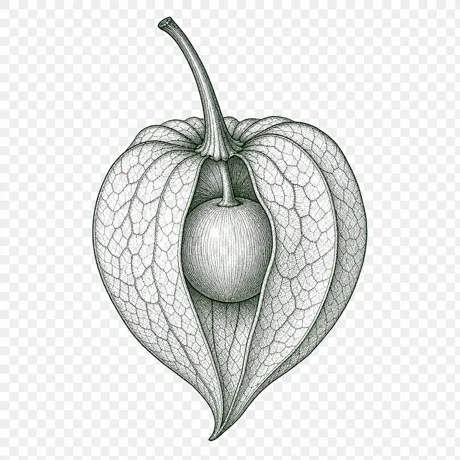
Common Ground Cherries pests
The signature pest is the three-lined potato beetle, whose yellow adults carry three black stripes and whose slug-like larvae smear themselves with their own dark waste while skeletonizing leaves; they favor Physalis and tomatillo above almost any other plant. Colorado potato beetles (rounded, striped adults with humpbacked orange larvae) and flea beetles (tiny jumping beetles that shot-hole the foliage) also feed heavily, and tomato and tobacco hornworms, the fat green caterpillars with a tail horn, can strip stems overnight. Aphids and whiteflies cluster on new growth and undersides, sucking sap, leaving sticky honeydew and sooty mold, and spreading viruses, while cutworms sever seedlings at the soil line. Larger animals such as deer and groundhogs will browse the leafy tops, and slugs chew ragged holes in low foliage and fallen fruit.
Common diseases
Fungal leaf diseases are the most likely problems: early blight (Alternaria) shows as brown spots with concentric rings and yellowing lower leaves, Septoria leaf spot appears as many small tan spots with dark borders, and powdery mildew coats leaves in a white dusty film in crowded, shaded plantings. Soilborne wilts such as Verticillium and Fusarium cause yellowing, wilting, and browning of the water-conducting tissue, often on one side of the plant first, and usually cannot be cured once they take hold. Bacterial spot and speck produce small dark, sometimes greasy-looking lesions on leaves and fruit in wet weather. Viruses, including mosaic viruses and tomato spotted wilt (spread by aphids and thrips), can cause mottled, distorted, or ring-spotted leaves and stunted plants.
Prevention
Rotate ground cherries and other nightshades (tomato, tomatillo, potato, pepper, eggplant) so they do not follow one another in the same bed for at least two to three years, which starves soilborne pests and diseases. Give plants full sun and wide spacing for good airflow, and stake or cage sprawling growth so leaves dry quickly after rain or dew. Water at the base with drip or a soaker hose rather than overhead, water in the morning, and mulch to keep soil from splashing spores onto lower leaves. Buy or grow healthy transplants, keep the bed weeded (many weeds host the same viruses and beetles), and clean up fallen fruit and old plant debris at the end of the season instead of leaving it to overwinter pests and fungi.
Organic control
Start with the least-toxic tools: hand-pick three-lined and Colorado potato beetles, their eggs, and hornworms into soapy water in the cool of the morning, and drop egg masses from leaf undersides. Float lightweight row covers over young plants to block beetles and flea beetles early in the season, then remove the covers once plants flower so pollinators can reach the blooms. Encourage and protect beneficial insects such as lady beetles, lacewings, and parasitic wasps (hornworms carrying white cocoons should be left in place), and use yellow sticky traps to monitor and reduce whiteflies. For heavy aphid, whitefly, or mite pressure, insecticidal soap or neem oil applied to leaf undersides works well, and Bt (Bacillus thuringiensis) targets caterpillars like hornworms without harming most beneficials. Copper or sulfur fungicides can help slow early blight, Septoria, or powdery mildew when applied early as a protectant. Always read and follow the product label for timing, safety, and application, and avoid spraying open flowers during pollinator activity.
Scouting & monitoring
Scout at least once or twice a week, looking at both the tops and undersides of leaves and along the stems. Early in the season watch for flea beetle shot-holes and the first striped beetles and egg clusters, since catching beetles before their larvae hatch prevents most damage. Through midsummer check new growth for aphids and whiteflies, inspect for hornworm droppings and chewed leaves, and watch the oldest lower leaves for the first spots of early blight or Septoria. In warm, humid stretches look for powdery mildew film and any sudden one-sided wilting that could signal a soilborne disease, and remove and discard affected leaves promptly.
Tips
Prevention beats rescue: rotate your nightshades, space plants for airflow, water at the base, and clean up debris each fall to head off most problems before they start. Walk the patch regularly and hand-pick beetles and hornworms early, because a few minutes of scouting each week usually keeps a healthy ground cherry planting productive without heavier controls.
General home-garden IPM guidance, focused on prevention and least-toxic control. Always read and follow the product label for any pesticide, including organic products. Page updated Sep 18, 2026.