
Growing guide · Vegetable
How to Grow Corn Salad
Days to maturity60 days
Spacing4 in
SeasonCool-season
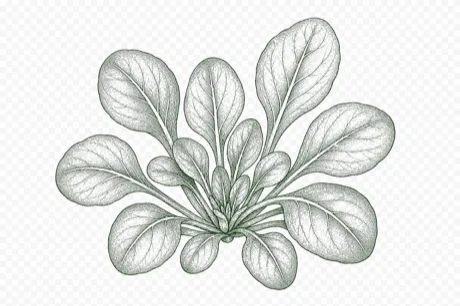
Corn salad, also called mache or lamb's lettuce, is one of the most cold-hardy salad greens a US gardener can grow, often staying green under a light blanket of snow when everything else has quit for the year. Its small, spoon-shaped leaves grow in tidy little rosettes and have a mild, nutty, buttery flavor that stands apart from sharper lettuces and chicories. Gardeners across the northern states and mild-winter regions prize it for filling the cold shoulder seasons of early spring and late fall when few other fresh greens are available.
When and how to plant
Corn salad is a cool-season green that thrives in the chilly weather of early spring and fall, and mature plants tolerate hard frosts and even light snow. It germinates best in cool soil, so direct sow it outdoors as soon as the ground can be worked in late winter or early spring, roughly four weeks before your last spring frost, and sow again in late summer for a fall and winter crop. Plant seeds about a quarter inch deep in a spot with full sun to partial shade and moist, well-drained soil rich in organic matter. It is small and slow, so most gardeners direct sow rather than transplant, scattering seed in shallow bands or rows.
Care
Keep the soil evenly moist, since dry spells slow growth and can make the little rosettes bolt once weather warms. Corn salad is not a heavy feeder, so a bed amended with compost usually supplies enough nutrition without extra fertilizer, though a light dose of balanced fertilizer helps thin, hungry soils. Thin seedlings to about three to four inches apart so each rosette has room to fill out, and it needs no staking or support. In cold regions a simple cold frame, row cover, or low tunnel keeps it harvestable well into winter.
Common problems
Corn salad is remarkably trouble-free, but slugs and snails can chew the tender leaves in cool, damp weather, so keep beds tidy and hand-pick or set out traps. Aphids sometimes gather on the rosettes and can be knocked off with a spray of water. Downy mildew and other fungal spotting show up in crowded, wet plantings, so give plants good spacing and airflow and water at the base rather than overhead. Rotating where you plant it each year and clearing old debris helps keep problems from building up.
Harvest
Corn salad is ready when the rosettes have several sets of leaves and reach two to four inches across, usually about seven to ten weeks after sowing. Harvest by cutting whole rosettes at the soil line with scissors, or pick individual outer leaves and let the center keep growing for a second picking. Gather in the cool of the morning when leaves are crisp, and harvest promptly once warm weather arrives because heat pushes the plants to bolt and turn bitter.
Growing Corn Salad in containers
Corn salad, also called mache, is very well suited to containers and cool-season growing. Use a pot or window box at least 6 to 8 inches deep with drainage holes and moisture-retentive potting mix. Keep the mix evenly moist, especially during germination, and use little fertilizer because overly rich soil can produce soft growth. Sow it thickly for baby leaves or space plants about 4 inches apart for full rosettes.
Watering & feeding Corn Salad
Provide roughly 1 inch of water per week, adjusting for rainfall, wind, and soil type. It has average water needs but is less tolerant of drought when young or during mild, dry spells. Water gently and consistently, keeping the upper root zone moist without leaving it saturated. Morning watering is best, and a thin mulch can help conserve moisture once seedlings are established. Dry soil can lead to slow growth and tough or bitter leaves, while constantly wet soil and poor air circulation can encourage rot.
Corn salad is a light feeder that needs loose, well-drained soil with some compost mixed in before sowing. Moderate nitrogen supports leafy growth, but rich soil or heavy fertilizer is usually unnecessary. Fresh manure and excessive fertilizer can cause soft growth and nutrient problems. Add compost before planting, then usually rely on that preparation for the short growing season. If leaves are pale and growth is slow, a light side-dressing of a balanced vegetable fertilizer can help. Do not overfeed with nitrogen, especially in cool, low-light weather. Sow in cool weather and do not let the seedbed dry out until seedlings emerge. Harvest outer leaves or whole rosettes regularly, and water after harvest if the bed is dry to encourage continued growth.
Saving Corn Salad seeds
Open-pollinated corn salad, also called mâche, comes true from seed, while F1 hybrids do not. Let plants bolt and wait until the flower clusters and tiny seeds turn tan to brown and dry on the plant. Cut the stems into a paper bag, finish drying indoors, then thresh and screen out chaff. Store the fully dry seed cool and dry, where it usually remains viable for about 3 to 4 years.
Corn Salad companion plants
Plant corn salad, also called mache, with other small cool-season crops such as radishes, carrots, or lettuce, which make efficient use of a bed without shading it. Fava beans can be planted nearby with adequate spacing, providing upright structure and nitrogen-rich residues after the favas are cut down. Companion pairings for corn salad are less established than for major vegetable crops, so spacing, succession planting, and crop rotation matter most. Avoid crowding it beneath dense brassicas or vigorous winter cover crops, which compete for light and airflow and can make harvesting difficult.
When to plant Corn Salad near you
Get the exact start-indoors, transplant, and fall planting dates for Corn Salad at your location.
Frequently asked questions about Corn Salad
When should I plant Corn Salad in my garden?
Corn Salad is a cool-season green, so plant it in early spring as soon as the soil can be worked, or in late summer to fall for an autumn and winter harvest. In mild-winter regions it often overwinters in the garden with little or no protection, and cold frames or row covers extend the season in colder zones.
How long does Corn Salad take to grow?
From sowing to harvest, Corn Salad usually takes about 6 to 8 weeks, though fall and winter crops mature more slowly as days shorten. Sow seeds every couple of weeks for a steady supply of tender rosettes.
How much sun does Corn Salad need?
Corn Salad grows well in full sun during the cool weather of spring and fall, and it appreciates partial shade if the weather turns warm. Aim for at least a few hours of direct light a day, since too much heat can cause it to bolt and turn bitter.
How far apart should I space Corn Salad plants?
Sow seeds thinly and thin the small rosettes to roughly 3 to 6 inches apart, with rows spaced a few inches to a foot apart. The plants stay compact, so they do not need much room, and you can harvest thinnings as baby greens.
Can I grow Corn Salad in containers?
Yes, Corn Salad does well in containers and window boxes because of its shallow roots and small size. Use a pot at least a few inches deep with drainage holes and a quality potting mix, and keep it evenly moist for tender leaves.
How do I know when Corn Salad is ready to harvest?
Harvest when the rosettes are a few inches across and the leaves are tender, usually before the plant sends up a flower stalk. You can snip individual outer leaves or cut the whole rosette at the base, and picking regularly in cool weather keeps the plants producing.
General guidance for US home gardens. Reference figures are typical values; your exact timing depends on your local frost dates and variety. Page updated Sep 19, 2026.