
Corn Salad Crop Rotation
Rotation keeps corn salad healthy by preventing soilborne fungi and leaf pests from building up in one bed and by keeping the soil fertility balanced for steady leafy growth. Even though this small green has few relatives in the vegetable garden, moving it around each season still pays off.
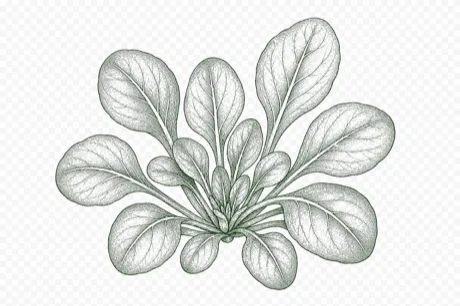
Plant family
Corn salad belongs to the Valerian family (Valerianaceae, which modern botanists often fold into the honeysuckle family, Caprifoliaceae), alongside ornamental relatives such as garden valerian and red valerian (Centranthus). Among common vegetables it has almost no close kin, so it does not share the main pest and disease cycles of lettuce (the aster family), spinach, or the cabbage family.
Why rotate corn salad
When corn salad or its Valerian-family relatives grow in the same spot year after year, soilborne fungi that cause damping-off and root rot, such as Pythium and Rhizoctonia, can accumulate, and downy or powdery mildew spores may carry over in cool, damp beds. Slugs and aphids that favor tender salad greens also tend to overwinter where the same crop returns. As a leafy green it draws steadily on nitrogen, so continuous cropping in one bed can leave the soil depleted.
What to plant after
Corn salad grows well after legumes such as peas or beans, which fix nitrogen and leave the soil richer for leafy growth. It also slots in nicely after heavy feeders like tomatoes, squash, or cabbage-family crops, because it is a light feeder and cold-hardy enough to fill those beds in fall and over winter once the summer crop finishes. Since it is unrelated to any of these families, the risk of carrying over shared diseases is very low.
What to avoid
Avoid planting corn salad right before or after itself or its Valerian-family relatives, since repeating the same family concentrates the specific soilborne fungi and pests that trouble it. It is also best to keep it out of consistently wet, poorly drained beds where damping-off and mildew tend to linger from one planting to the next.
Example rotation
A simple four-year plan for one bed: Year 1, peas or beans (nitrogen-fixing legumes); Year 2, tomatoes or squash (heavy feeders); Year 3, a cabbage-family crop such as kale or cabbage; Year 4, corn salad and other light salad greens, then return to legumes. Because corn salad is quick and cold-hardy, you can also tuck it in as a fall or winter catch crop after any of these, then rest that spot from corn salad for two to three years before growing it there again.
Tips
Keep a simple garden map or notebook showing where corn salad grows each season so you can wait two to three years before returning it to the same bed. Since it is a small, fast catch crop, use it to fill beds after summer harvests, and work in compost or sow a cover crop between rotations to keep the soil loose and fertile.
General guidance for US home gardens. Adapt to your own crops, soil, and space; your Cooperative Extension office can help with a plan for your area. Page updated Sep 19, 2026.