
Growing guide · Herb
How to Grow Cilantro
Days to maturity50 days
Spacing6 in
SeasonCool-season
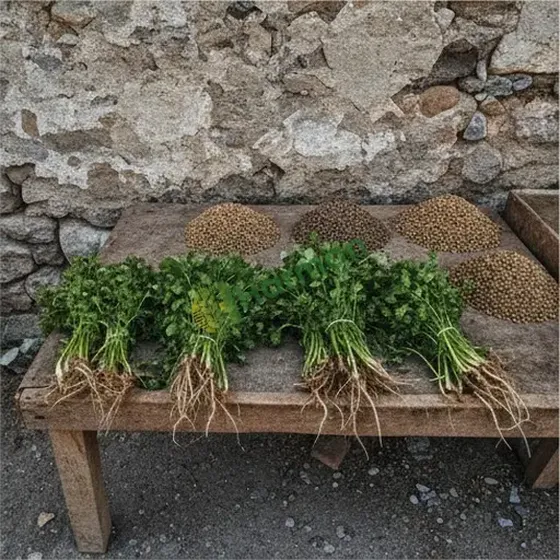
Cilantro is the bright, citrusy herb at the heart of salsa and countless dishes, and the plant later gives coriander seed. It grows fast and prefers to be sown where it will stay.
When and how to plant
Cilantro is a cool-season herb that bolts in heat, so sow it directly around the last frost, as the dates above allow, and again in fall. Successive small sowings keep fresh leaves coming.
Care
Give it sun in spring and fall, some shade in summer heat, and steady moisture. It grows quickly and does best sown in place rather than transplanted.
Common problems
Rapid bolting in warm weather is the main frustration. Frequent small plantings and a bit of shade extend the leafy stage.
Harvest
Snip the outer leaves as you need them while the plant is young and lush. Once it flowers, let the seeds form and dry for coriander.
Growing Cilantro in containers
Cilantro grows well in pots, though it bolts quickly in hot weather. Choose a container at least 8 inches deep with drainage and a light, moisture-retentive potting mix. Water whenever the surface begins to dry, feed sparingly, and sow succession batches every two to three weeks for continued harvest.
Watering & feeding Cilantro
Give cilantro about 1 inch of water per week, adjusting for heat, wind, and rainfall. It has average water needs but bolts quickly when repeatedly drought-stressed in warm weather. Water gently at the base and keep the upper root zone evenly moist without making it soggy. Use mulch in warm weather, water containers more often because they dry faster, and look for wilting or dry soil from drought versus yellowing from excess moisture.
Cilantro is a light to moderate feeder that grows well in compost-amended garden soil. Balanced fertility is sufficient, and excessive nitrogen is usually unnecessary. Add compost before sowing or transplanting, then feed only lightly if growth is pale or soil is poor. Avoid repeated nitrogen feeding during its short growing season. Sow small batches every few weeks for a longer harvest. Keep plants cool and consistently watered to slow bolting.
Saving Cilantro seeds
Cilantro, also called coriander when grown for seed, generally comes true from open-pollinated or heirloom seed, but F1 hybrids do not. Let plants bolt and let the round seed clusters turn tan to brown, then cut the stems before they shatter and finish drying them in a paper bag. Rub or thresh the dry heads, screen out debris, and store fully dry seed in a cool, dark place. Cilantro seed commonly stays viable for about 2 to 3 years.
Cilantro companion plants
Grow cilantro near lettuce, spinach, tomatoes, and brassicas such as broccoli. When allowed to flower, cilantro provides nectar and pollen for beneficial insects that can prey on aphids and caterpillars, and its short early-season growth fits between slower crops. Avoid placing it where taller plants will quickly shade it in cool weather, and avoid crowding it with heavy feeders that compete for moisture; specific crop-to-crop incompatibilities are less established for cilantro.
When to plant Cilantro near you
Get the exact start-indoors, transplant, and fall planting dates for Cilantro at your location.
Frequently asked questions about Cilantro
When should I plant cilantro?
Cilantro grows best in cool weather, so sow it in early spring or fall in most US gardens. It often bolts quickly in summer heat.
How long does cilantro take to grow?
Cilantro leaves are often ready in about 30 to 45 days. Seeds, sold as coriander, take longer, usually around 90 to 120 days.
Does cilantro need full sun?
Cilantro grows in full sun in cool weather, but in warmer areas it benefits from afternoon shade. Too much heat and long days make it bolt faster.
Can cilantro grow in containers?
Yes, cilantro grows well in containers if the pot is deep enough for its taproot and the soil drains well. Keep it evenly moist for the best leaf growth.
Why does cilantro bolt so fast?
Cilantro bolts in response to heat, long days, and stress from drying out. Succession sowing every couple of weeks helps extend the harvest.
General guidance for US home gardens. Reference figures are typical values; your exact timing depends on your local frost dates and variety. Page updated Sep 19, 2026.