
Growing guide · Herb
How to Grow Chives
Days to maturity80 days
Spacing8 in
SeasonCool-season
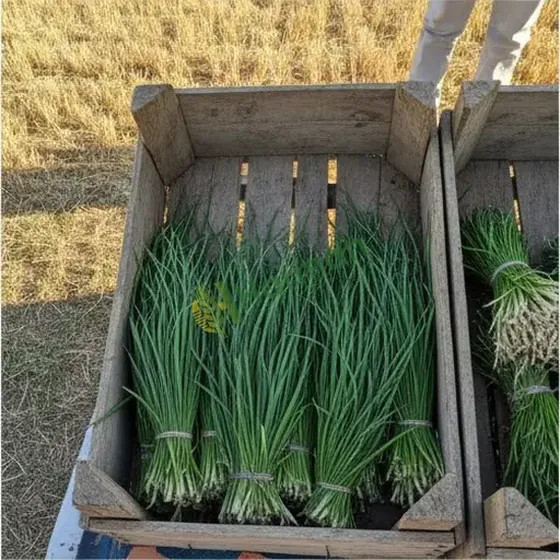
Chives (Allium schoenoprasum) are a hardy perennial herb in the onion family, grown for their slender, hollow, grass-like leaves and edible pink-purple flowers. Home gardeners across the US value them for their mild onion flavor, their ability to come back year after year with little fuss, and the way their spring blooms attract bees and other pollinators. They thrive in the ground or in containers and are one of the easiest culinary herbs to keep going long term.
When and how to plant
Because chives are a cold-hardy perennial (reliable in roughly USDA zones 3 through 9), plant them once in a permanent spot and expect them to return each spring. Start seeds indoors 6 to 8 weeks before the last frost, or set out nursery transplants or divisions after the danger of hard frost has passed; seeds sown directly outdoors germinate slowly in cool soil. Choose a site with full sun to light shade and moist, well-drained soil rich in organic matter, with a near-neutral pH. Space plants or clumps about 8 to 12 inches apart, and sow seeds shallowly at roughly one-quarter inch deep, thinning as the grassy seedlings establish.
Care
Keep the soil evenly moist during the growing season, watering when the top inch begins to dry, since consistent moisture keeps the leaves tender. Work compost or other organic matter into the bed at planting and top-dress with compost each spring to support steady regrowth of this long-lived perennial. A light mulch helps hold moisture and suppress weeds, but keep it pulled slightly back from the crown. Every three to four years, dig and divide crowded clumps in early spring or fall to keep them vigorous, and cut plants back after they die down so fresh growth returns cleanly the next season.
Common problems
Chives are largely trouble-free, but they can occasionally be bothered by aphids, thrips, and onion-family pests such as onion maggot, along with fungal issues like downy mildew or rust in damp, crowded conditions. The best prevention is good air circulation through proper spacing and periodic division, avoiding overhead watering late in the day, and clearing away dead foliage where problems can overwinter. Rotating the location of onion-family plants over time and pulling out any severely affected leaves also helps keep populations in check without chemicals.
Harvest
Begin harvesting once plants are well established and several inches tall, snipping leaves near the base with scissors and taking no more than about a third of the clump at a time so it keeps producing. Cut leaves regularly through the growing season to encourage tender new growth, and pick the edible flowers just as they open. Chives are best used fresh and keep for a few days in the refrigerator; they can also be frozen or dried, though freezing preserves their flavor better than drying.
Growing Chives in containers
Chives are very easy to grow in containers and can remain productive for several years. Use a pot at least 8 to 10 inches wide and 6 to 8 inches deep with drainage holes and fertile potting mix. Keep the mix evenly moist, feed lightly in spring or with occasional diluted liquid fertilizer, and divide crowded clumps every few years.
Watering & feeding Chives
Provide about 1 inch of water per week, increasing slightly during hot, dry weather or after repeated harvests. Chives have average water needs and should not be allowed to dry out completely for long. Water deeply at the base when the top inch of soil begins to dry, preferably in the morning. Mulch helps conserve moisture, containers need frequent checks, and thin, wilting leaves indicate drought while yellowing or rotting at the base can indicate overwatering.
Chives are moderate feeders and benefit from compost-rich soil prepared before planting. Nitrogen supports leafy regrowth, but balanced fertility and healthy organic matter are more useful than heavy feeding. Mix compost into the planting area and top-dress with compost in spring. After a major harvest, a light feeding can support regrowth, but avoid excessive nitrogen that produces weak, overly lush leaves. Cut plants back regularly, leaving a few inches above the soil. Divide crowded clumps every few years, then water them in well.
Saving Chives seeds
Open-pollinated chives generally come reasonably true from seed, but F1 hybrids do not come true. Let the round flower heads dry and turn tan, cut them before the black seeds scatter, then crumble the heads and separate the seeds from chaff. Dry completely and store cool, dark, and dry for about 1 to 2 years.
Chives companion plants
Good companions for chives include carrots, tomatoes, strawberries, and brassicas, since chives use little space and their flowers attract pollinators and beneficial insects. They also make a useful border plant, and their onion-family scent may help diversify plantings where aphids are a concern. Avoid planting chives very close to beans or peas, because alliums can inhibit legume growth and compete in a tight root zone.
When to plant Chives near you
Get the exact start-indoors, transplant, and fall planting dates for Chives at your location.
Frequently asked questions about Chives
When should I plant Chives?
Chives are cool-season perennials you can start indoors 6 to 8 weeks before your last spring frost, or sow and transplant outdoors once the soil is workable in early spring. In most US zones they come back every year, and you can also plant them in early fall.
How much sun do Chives need?
Chives grow best in full sun, meaning about 6 or more hours of direct light per day. They will tolerate partial shade, especially in hot southern regions, but the plants tend to be leggier and less productive with less sun.
How far apart should I space Chives?
Space chive plants or clumps about 6 to 12 inches apart so each has room to form a bushy mound. If you are growing from seed, sow in small clusters since chives naturally grow in dense bunches rather than as single stalks.
Can I grow Chives in containers?
Yes, chives do very well in containers and are a popular windowsill herb. Use a pot at least 6 inches deep with drainage holes and a quality potting mix, and set it where it gets plenty of light.
How do I know when Chives are ready to harvest?
You can begin snipping once the leaves are about 6 inches tall, usually within a couple of months of planting. Cut the hollow leaves down to about 1 to 2 inches above the soil with scissors, and harvest regularly through the season to encourage fresh new growth.
What are common problems when growing Chives?
Chives are fairly trouble-free, but they can occasionally get aphids, thrips, or fungal issues like downy mildew and rust in crowded, damp conditions. Good spacing, airflow, and well-drained soil prevent most problems, and dividing older clumps every few years keeps plants vigorous.
General guidance for US home gardens. Reference figures are typical values; your exact timing depends on your local frost dates and variety. Page updated Sep 18, 2026.