
Growing guide · Herb
How to Grow Chamomile
Days to maturity65 days
Spacing8 in
SeasonCool-season
Start indoors6 wk pre-frost
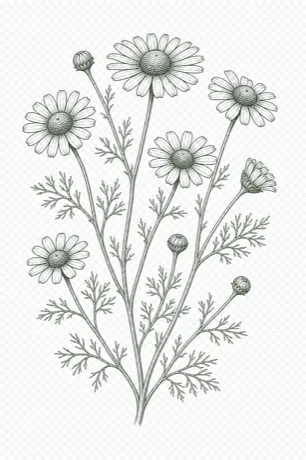
US gardeners grow chamomile for its cheerful little daisy-like blooms, each with a bright yellow dome center and thin white petals that fold back as the flower ages. The most common home-garden type is German chamomile, an easygoing annual whose feathery foliage carries a faint apple scent when brushed. A single square foot planting can produce a steady supply of flower heads for drying and tea. It also self-sows freely, often returning on its own the following spring.
When and how to plant
Chamomile is a cool-season herb that handles light frost well, so it goes in early. In most regions you can direct sow the tiny seeds a couple of weeks before the last spring frost, pressing them onto the soil surface since they need light to germinate. You can also start seeds indoors about six weeks ahead and set out transplants around the last frost date. Give it full sun in cooler climates or a little afternoon shade in hot ones, and plant in light, well-drained soil that is not overly rich.
Care
Water young plants regularly to keep the soil lightly moist, then ease off once they are established, since chamomile tolerates dry spells better than soggy ground. It needs little to no fertilizer, and lean soil actually produces sturdier plants and plenty of flowers. Thin or space plants about 8 inches apart so air moves freely between them. Tall German chamomile can flop when heavy with bloom, so a few twiggy branches or a short ring of support keeps stems upright.
Common problems
Chamomile is largely trouble free, but aphids sometimes cluster on tender new growth and can be knocked back with a strong spray of water. Powdery mildew and other fungal issues show up when plants are crowded or watered from above, so space generously and water at the base. Good drainage prevents root rot in wet soils. Its flowers draw hoverflies and other beneficial insects, which help keep aphid numbers down naturally.
Harvest
Pick the flower heads when the white petals are fully open and lie flat or begin to curve back, and the yellow centers are raised and domed. Harvest on a dry morning after the dew has lifted, pinching or rolling the heads off just below the flower. A small handheld comb-style picker speeds the job in larger patches. Gather every few days at peak season, since frequent picking encourages the plants to keep producing new blooms.
Growing Chamomile in containers
Chamomile is a good container herb, with German chamomile especially easy to grow as an annual. Use a pot at least 8 inches deep with drainage holes and a light, well-drained potting mix. Water when the top inch dries and fertilize sparingly, since overly rich soil encourages weak growth. Choose German chamomile for flower production in pots, while Roman chamomile needs a wider container because it spreads.
Watering & feeding Chamomile
Give about 1/2 to 1 inch of water per week during establishment, with less needed in cool or rainy conditions. Chamomile is relatively drought tolerant after it has rooted in. Water at the base in the morning and allow the soil surface to dry between waterings. Use only a light mulch so the crown and foliage do not stay damp, and check containers frequently because they dry quickly. Wilting and dry soil indicate underwatering, while yellowing, root decline, or fungal trouble can follow soggy conditions.
Chamomile is a light feeder and usually needs only modest compost in average garden soil. Avoid rich nitrogen-heavy soil, which can encourage foliage at the expense of flowers. Incorporate a small amount of compost before planting, then usually do not feed again during the season. If plants are grown in a container for a long season, a single light feeding may be enough. Avoid routine high-nitrogen fertilizer applications. Do not keep chamomile constantly wet, especially in heavy soil. Thin crowded seedlings to improve airflow and help foliage dry after rain.
Saving Chamomile seeds
German chamomile, the common annual garden type, comes true from open-pollinated seed, while F1 hybrids do not, but Roman chamomile is more often propagated by division. For German chamomile, let flower heads turn dry and brown, cut or shake them into a bag, then dry further and rub or screen out the fine seed. Keep seed cool, dark, and dry, and use within about 2 to 3 years for best germination.
Chamomile companion plants
Chamomile is a useful companion around brassicas, lettuce, onions, and herbs because its small flowers support hoverflies, parasitic wasps, and other beneficial insects. It stays fairly low and can fit along bed edges, while its flowering period helps diversify the garden's insect habitat. Avoid treating chamomile as a guaranteed cure or pest repellent, since those stronger claims are not well established. Keep it from becoming crowded by vigorous plants, and avoid letting self-seeding chamomile overrun seedlings or tightly planted crops.
When to plant Chamomile near you
Get the exact start-indoors, transplant, and fall planting dates for Chamomile at your location.
Frequently asked questions about Chamomile
When should I plant Chamomile?
Sow German chamomile seeds outdoors in early spring after the last frost, or start them indoors about 6 weeks earlier and transplant once the soil warms. In mild climates you can also sow in fall for early blooms the following season, and Roman chamomile is a perennial best planted in spring.
How long does Chamomile take to grow and bloom?
Chamomile seeds usually germinate within 1 to 2 weeks, and plants typically begin flowering roughly 6 to 10 weeks after sowing. German chamomile blooms quickly in its first season, while Roman chamomile may take a bit longer to establish.
How much sun does Chamomile need?
Chamomile grows best in full sun, meaning about 6 or more hours of direct light each day. In hot southern climates it appreciates a little afternoon shade to keep the plants from wilting or bolting too fast.
How far apart should I space Chamomile plants?
Space chamomile plants roughly 8 to 12 inches apart to give the feathery foliage room to fill in and allow good air circulation. Thin crowded seedlings early, since German chamomile can grow tall and bushy and will self-sow if left in place.
Can I grow Chamomile in containers?
Yes, chamomile does well in pots at least 8 to 12 inches deep with drainage holes and a light, well-draining potting mix. Place the container in a sunny spot and water when the top inch of soil dries out, which makes it a good choice for patios and balconies.
How do I know when Chamomile is ready to harvest?
Harvest chamomile when the flowers are fully open, with white petals still flat or just beginning to curl back and bright yellow centers. Pick the blossoms on a dry morning, and frequent harvesting through summer encourages the plant to keep producing more flowers.
General guidance for US home gardens. Reference figures are typical values; your exact timing depends on your local frost dates and variety. Page updated Sep 19, 2026.