
Cucumbers Crop Rotation
Cucumbers benefit from rotation because cucurbit diseases and insect pests can build quickly in home gardens. Changing beds each year helps keep vines healthier and extends harvest.
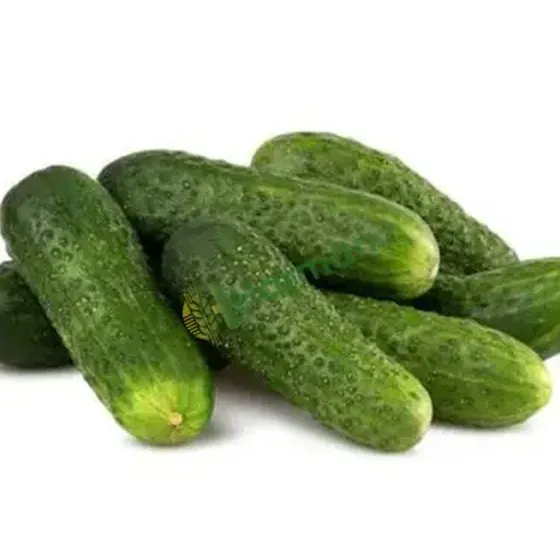
Plant family
Cucumbers are members of the cucurbit family. Common relatives include squash, pumpkins, melons, and gourds, and these crops often share the same pest and disease issues.
Why rotate cucumbers
Cucumbers can leave behind wilt-related problems, root rots, and foliar disease inoculum in crop debris. They also share insect pests with other cucurbits, so repeated planting in one area makes infestations more likely. Although cucumbers are not the heaviest feeders, they still perform best in fertile soil with balanced moisture. Rotation reduces pest carryover and helps preserve soil health.
What to plant after
Cucumbers do well after peas, beans, onions, or leafy greens that leave a clean bed for warm-season planting. They are also a good crop to follow brassicas once residues have broken down and the soil warms.
What to avoid
Avoid planting cucumbers before or after squash, pumpkins, melons, or other cucurbits. These crops share many of the same diseases and insect pests, so rotating the entire family together is important.
Example rotation
A simple sequence is spinach in year one, cucumbers in year two, and peas or broccoli in year three. Another option is beans, then cucumbers, followed by carrots or onions.
Tips
Remove old vines after harvest so disease inoculum does not remain in the bed. If cucumber beetles or wilt problems have been recurring, give cucurbits a longer break from that area.
General guidance for US home gardens. Adapt to your own crops, soil, and space; your Cooperative Extension office can help with a plan for your area. Page updated Sep 19, 2026.