
Cucumbers Pests & Diseases
Cucumbers and their cucurbit relatives are most threatened by cucumber beetles, which chew plants and spread bacterial wilt, along with sap-feeding squash bugs and aphids. On the disease side, powdery mildew, downy mildew, and beetle-borne bacterial wilt are the challenges home gardeners see most often.
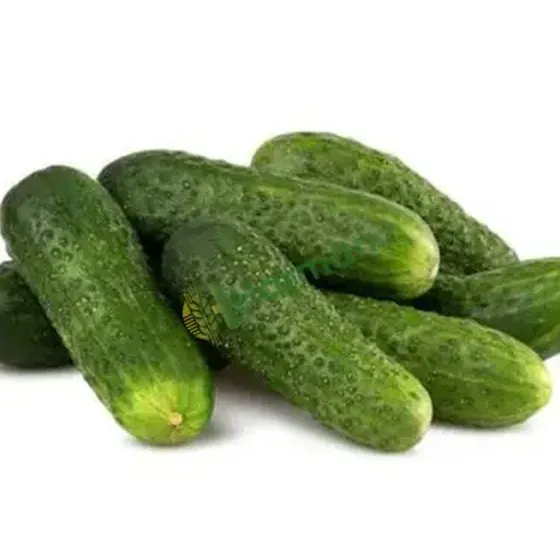
Common Cucumbers pests
Striped and spotted cucumber beetles are the signature pest, small yellow-and-black insects that chew ragged holes in leaves and flowers and, more importantly, transmit bacterial wilt. Squash bugs are flat, gray-brown shield-shaped bugs that cluster on stems and undersides of leaves, sucking sap and causing wilting and yellow speckling, and they lay tidy clusters of bronze eggs. Aphids form dense colonies on new growth and leaf undersides, curling leaves and spreading mosaic viruses, while two-spotted spider mites cause fine stippling and webbing in hot, dry spells. In the South, the squash vine borer tunnels into stems causing sudden collapse, and pickleworms bore into the fruit.
Common diseases
Powdery mildew shows up as white powdery patches on leaves and stems, usually later in the season, while downy mildew produces angular yellow blotches on the upper leaf surface with gray or purplish fuzz beneath. Bacterial wilt, spread by cucumber beetles, causes vines to wilt and die even with adequate water, and a cut stem may ooze a sticky white thread. Angular leaf spot is a bacterial disease that makes angular water-soaked lesions bounded by veins that dry and drop out, giving a shot-hole look. Cucumber mosaic virus, spread by aphids, mottles leaves with yellow-green patches, stunts plants, and warps or discolors the fruit, and anthracnose and gummy stem blight can cause sunken leaf and stem lesions in wet weather.
Prevention
Rotate cucurbits so cucumbers do not follow squash, melons, or pumpkins in the same bed for two to three years, and give plants generous spacing or a trellis so leaves dry quickly and airflow stays good. Choose varieties labeled resistant to powdery mildew, downy mildew, scab, or mosaic virus whenever possible. Water at the base with drip or a soaker hose rather than overhead, water in the morning, and keep tools and hands off wet foliage to limit bacterial and fungal spread. Clean up crop debris and remove badly infected plants promptly, and consider floating row covers over young plants to keep beetles and other pests off during establishment.
Organic control
Cover seedlings with floating row covers right after planting to exclude cucumber beetles and squash bugs, then remove the covers at flowering so bees can pollinate. Hand-pick beetles, squash bugs, and their egg clusters in the morning when insects are sluggish, and encourage beneficial insects such as lady beetles, lacewings, and parasitic wasps by keeping some flowering plants nearby. For heavy aphid or mite pressure, insecticidal soap or neem applied to leaf undersides is a least-toxic option, and yellow sticky traps help monitor and reduce flying pests. For powdery and downy mildew, sulfur or a copper-based product used early and preventively can help, and Bt targets caterpillar pests like pickleworm. Always read and follow the product label for the crop, timing, and safety, and spray in the evening to protect pollinators.
Scouting & monitoring
Start scouting at transplant or emergence, checking daily for cucumber beetles on cotyledons and young leaves since early feeding does the most harm and spreads wilt. Inspect leaf undersides and stem bases weekly for squash bug adults and their coppery egg clusters, and watch new growth for aphid colonies and curling. From midseason on, turn leaves over and look for the first white powdery spots or the yellow angular blotches of downy mildew, and flag any vine that wilts suddenly despite moist soil as a possible wilt or borer problem. Catching these early, before populations build or disease spreads, makes least-toxic control far more effective.
Tips
Timing is everything with cucumbers: keep row covers on until flowering to block the beetles that spread bacterial wilt, then rely on hand-picking and scouting. Pair a mildew-resistant variety with trellising and morning base-watering, and you prevent most of the trouble before it starts.
General home-garden IPM guidance, focused on prevention and least-toxic control. Always read and follow the product label for any pesticide, including organic products. Page updated Sep 18, 2026.