
Growing guide · Vegetable
How to Grow Lettuce
Days to maturity50 days
Spacing8 in
SeasonCool-season
Start indoors4 wk pre-frost
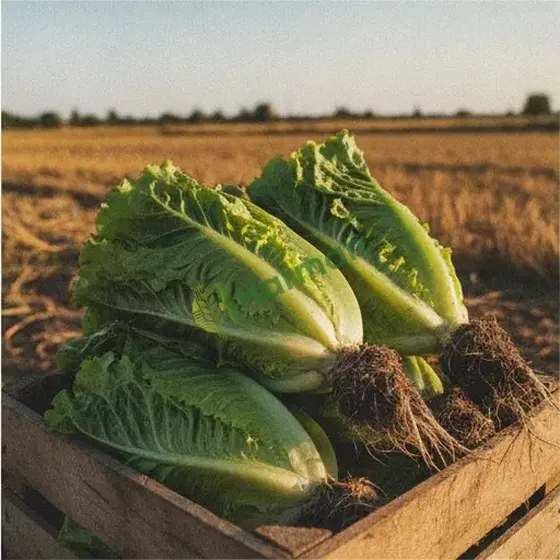
Lettuce is fast, forgiving, and endlessly useful, from crisp romaine to tender leaf types. It is one of the first things you can plant and one of the first you can eat.
When and how to plant
A cool-season crop, lettuce actually prefers the chill and can go out well before the last frost, as the dates above allow. It also makes a fine fall crop as the heat fades.
Care
Give lettuce steady moisture and some afternoon shade where summers are hot, which keeps it from turning bitter. Light, rich soil grows the most tender leaves.
Common problems
Slugs, aphids, and bolting in heat are the main issues. Picking in the cool of the day and harvesting before hot weather help.
Harvest
Take outer leaves as you need them and the plant keeps producing, or cut whole heads at the base. Harvest before the plant sends up a flower stalk and turns bitter.
Popular Lettuce varieties to grow
Choose lettuce by heat tolerance, texture, color, and whether you want quick baby leaves or full heads. Succession planting a few leaf, romaine, and butterhead types usually gives the longest harvest window in US home gardens.
| Variety | Type | Days | Notes | Best for |
|---|---|---|---|---|
| Black Seeded Simpson | leaf lettuce | 45 to 50 | A classic looseleaf variety that grows quickly and stays tender. It is one of the easiest lettuces for repeated cut-and-come-again harvests. | baby greens, quick harvests |
| Buttercrunch | butterhead | 55 to 65 | A popular butterhead with soft texture, sweet flavor, and compact heads. It tolerates warm weather better than many heading lettuces. | home salads, spring and fall gardens |
| Parris Island Cos | romaine | 65 to 75 | A dependable romaine with upright heads and crisp leaves. It is widely grown for classic Caesar-style lettuce texture. | romaine hearts, salads |
| Great Lakes 118 | crisphead | 70 to 80 | A traditional iceberg-type lettuce that forms dense heads under cool growing conditions. It needs more time and careful timing than leaf lettuce. | firm heads, cool-season growing |
| Red Sails | red leaf lettuce | 45 | A looseleaf variety with bronze-red color and tender leaves. It is attractive in mixed beds and easy to harvest over time. | salad mixes, color in the garden |
| Little Gem | mini romaine | 50 to 60 | A small compact lettuce with sweet crunchy leaves and a tidy habit. It works well where space is limited or for close spacing. | small gardens, individual heads |
| Jericho | romaine, heat tolerant | 55 to 60 | A romaine noted for holding quality in warmer weather better than many standard types. It is especially useful for extending lettuce season into late spring or early summer. | heat tolerance, warm-region gardens |
| Salad Bowl | leaf lettuce | 45 to 50 | A green oakleaf type with tender deeply cut leaves and mild flavor. It regrows well after repeated harvests. | cut-and-come-again harvests |
Variety notes are general guidance for US home gardens; local performance varies by climate and season. Availability differs by seed supplier.
Growing Lettuce in containers
Lettuce is very well suited to containers and shallow planters. Use a pot or trough at least 6 inches deep with drainage holes and moisture-retentive potting mix. Keep soil consistently lightly moist, feed lightly, and grow leaf, butterhead, or cut-and-come-again types for the easiest harvests.
Watering & feeding Lettuce
Aim for about 1 to 1.5 inches of water per week, adjusting upward in warm or windy weather. Lettuce is moderately thirsty and is not drought tolerant, especially as heads form. Water gently at the base or with a low-pressure spray so the shallow root zone stays evenly moist, ideally early in the day. Mulch can cool soil and conserve water, while limp or bitter leaves indicate dryness and yellowing or soggy soil can indicate excess water.
Lettuce is a light to moderate feeder that responds well to compost-amended soil. Nitrogen is important for leaf growth, but fertile soil usually reduces the need for heavy fertilizer applications. Add compost before planting and use a light feeding at planting only if soil is not already fertile. For long-season or cut-and-come-again plantings, give one light side-dressing after several harvests and avoid excessive nitrogen. Water more often during heat to slow stress and bolting. Harvest outer leaves frequently, and keep soil moisture steady after each cutting.
Saving Lettuce seeds
Open-pollinated and heirloom lettuce generally comes true from seed, while F1 hybrids do not. Let plants bolt and let the fluffy seed heads dry until they resemble small dandelion puffs, then clip them into a bag and rub out the seeds. Remove chaff, dry seeds for another week indoors, and store them cool and dry for about 3 to 6 years.
Lettuce companion plants
Good companions for lettuce include carrots, radishes, scallions, and flowering cilantro or dill nearby. Radishes mature quickly between lettuce plants, carrots use a different rooting zone, and the herbs can support aphid-eating beneficial insects when in bloom. Avoid crowding lettuce with mature corn, sunflowers, or other tall, dense crops, because excessive shade and competition for water reduce growth.
When to plant Lettuce near you
Get the exact start-indoors, transplant, and fall planting dates for Lettuce at your location.
Frequently asked questions about Lettuce
When should I plant lettuce?
Plant lettuce in early spring and again in late summer or fall in most of the US. It grows best in cool weather and can handle light frost.
How long does lettuce take to grow?
Leaf lettuce is often ready in about 30 to 50 days, while heading types may take 55 to 75 days. Baby leaves can be picked even sooner.
How much sun does lettuce need?
Lettuce grows with full sun in cool weather, but in warmer regions it benefits from some afternoon shade. About 4 to 6 hours of sun can work well when temperatures rise.
How far apart should lettuce be spaced?
Space leaf lettuce about 6 to 10 inches apart and head lettuce about 10 to 12 inches apart. Thin seedlings early for better airflow and larger heads.
Can lettuce grow in containers?
Yes, lettuce is one of the easiest crops for containers. Shallow pots or window boxes work well if the soil stays evenly moist.
Why is my lettuce bolting or turning bitter?
Heat and long days trigger bolting, which sends up a flower stalk and makes leaves more bitter. Planting during cool seasons and keeping soil moisture steady helps slow this.
General guidance for US home gardens. Reference figures are typical values; your exact timing depends on your local frost dates and variety. Page updated Sep 18, 2026.