
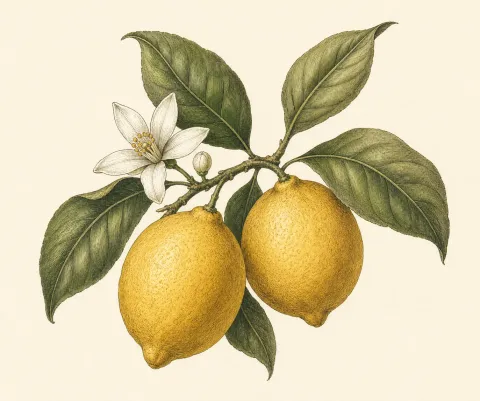
How to Grow Lemon Trees
Citrus
The lemon is a small evergreen citrus tree grown for its tart, aromatic fruit and glossy foliage. Home growers across the warm-winter South and West plant it for a steady supply of fresh lemons for cooking, drinks, and preserving, while gardeners in colder regions raise it in containers that can move indoors. A single tree can produce fruit over a long season, which makes it one of the most rewarding backyard citrus choices.
Planting
Plant in early spring once hard frost has passed so the tree can settle in before summer heat. Choose a warm, sheltered spot with full sun, at least six to eight hours a day, and well-drained soil, since lemons will not tolerate standing water. Space standard trees about 12 to 15 feet apart and dwarf types 6 to 10 feet apart, and set the graft union well above the soil line. Buy a healthy grafted, container-grown tree from a reputable nursery rather than trying to start one from seed, which gives faster, truer fruit.
Pollination
Most lemon varieties are self-fertile, so a single tree will set fruit on its own without a second variety nearby. Planting only one tree is fine, and outdoor trees benefit from bees and other insects moving pollen, while indoor container trees may set more fruit if you gently transfer pollen between blossoms with a small brush.
Care & pruning
Water deeply and regularly so the root zone stays evenly moist but never soggy, easing off in cool weather and watering more often during heat or in containers. Feed with a product formulated for citrus on the schedule its label recommends during the active growing season, since lemons are heavy feeders that show stress quickly in poor soil. Spread a few inches of organic mulch out to the drip line to hold moisture and suppress weeds, but keep it pulled back several inches from the trunk. Pruning needs are light: remove dead, crossing, or inward-growing branches and any shoots coming from below the graft, and shape container trees to keep them compact.
Years to bear
A grafted nursery lemon tree usually begins bearing a meaningful crop within two to three years of planting. Container-grown and dwarf trees often fruit a bit sooner, though early blossoms may be light before the tree matures.
Harvest
Lemons are ready to pick when they reach full size and turn bright, even yellow, which can span late fall through spring depending on variety and climate. Clip or gently twist the fruit from the branch rather than pulling, since tearing can damage the stem and the fruit skin. Lemons hold well on the tree for weeks, and once picked they keep for a couple of weeks at room temperature or up to about a month in the refrigerator.
Common problems
Common issues include aphids, scale, spider mites, and leaf-mining insects, along with fungal and root problems that often trace back to overwatering or poor drainage. Prevent trouble by giving the tree good air flow, watering at the base rather than overhead, keeping the area free of fallen leaves and fruit, and inspecting new growth regularly so small problems are caught early. Because citrus pests and diseases, including quarantine concerns, vary widely by region, contact your local Cooperative Extension office for guidance specific to your area before treating anything.
Popular Lemon varieties to grow
Lemons need warmth, sun, and frost protection, so they are easiest outdoors in the warmest citrus regions and make excellent container plants elsewhere. Most common lemon varieties are self-fertile, but choose by cold tolerance, fruit size, and acidity.
| Variety | Type | Season | Notes | Best for |
|---|---|---|---|---|
| Meyer Lemon | self-fertile, container-friendly | fall through spring | Meyer lemon is a lemon-mandarin hybrid with thin, deep yellow to orange-yellow skin and milder acidity than standard lemons. It is widely grown in pots and is relatively cold tolerant for citrus. | containers, fresh juice, cooking |
| Eureka | self-fertile, true lemon | nearly year-round in warm climates | Eureka is a classic acidic lemon with juicy fruit, a distinct neck, and frequent crops in warm conditions. It is a standard choice for home citrus gardens. | juice, baking, warm climates |
| Lisbon | self-fertile, vigorous true lemon | winter through spring | Lisbon bears acidic, juicy lemons with thick, aromatic peel and is generally more vigorous than Eureka. Its thornier growth can make harvest less convenient. | juice, zest, warm climates |
| Improved Meyer Lemon | self-fertile, virus-indexed Meyer | fall through spring | This is the widely sold, disease-indexed form of Meyer lemon, selected to provide the familiar fragrant, mild fruit without the historical tristeza virus concern. It performs well in large containers. | containers, home cooking |
Variety notes are general guidance for US home gardens; chill hours, hardiness, and pollination needs vary, so confirm suitability for your zone and check with a local nursery. Availability differs by supplier.
Storing Lemon
Store lemons at 45 to 50°F and 85 to 90 percent relative humidity for the longest quality, or refrigerate them in a sealed or perforated bag at home. They usually keep 2 to 4 weeks in the refrigerator, while room-temperature lemons are best used within about 1 week. Lemons do not ripen after harvest, so pick them at full size and desired color. Freeze juice, zest, or whole lemons, or use tested USDA or NCHFP recipes for marmalade and other home-canned products.
Using Lemon
Ripe lemons have intensely tart, juicy flesh and a fragrant peel with floral citrus oils. Use the juice in drinks, dressings, marinades, curds, baking, and preserves, and use the zest for flavoring. The fruit and zest are edible, but wash the peel well before using it and avoid eating seeds.
General guidance for US home growers. Variety and pollination needs vary by region; confirm with your local Cooperative Extension office. Page updated Sep 18, 2026.